
You may not have noticed, but there’s a small part under your car’s hood called the intake hose that plays a crucial role in your vehicle’s operation. When it cracks or wears out, it can affect vehicle performance and waste fuel. In this article, you’ll learn about its purpose and how to maintain it.
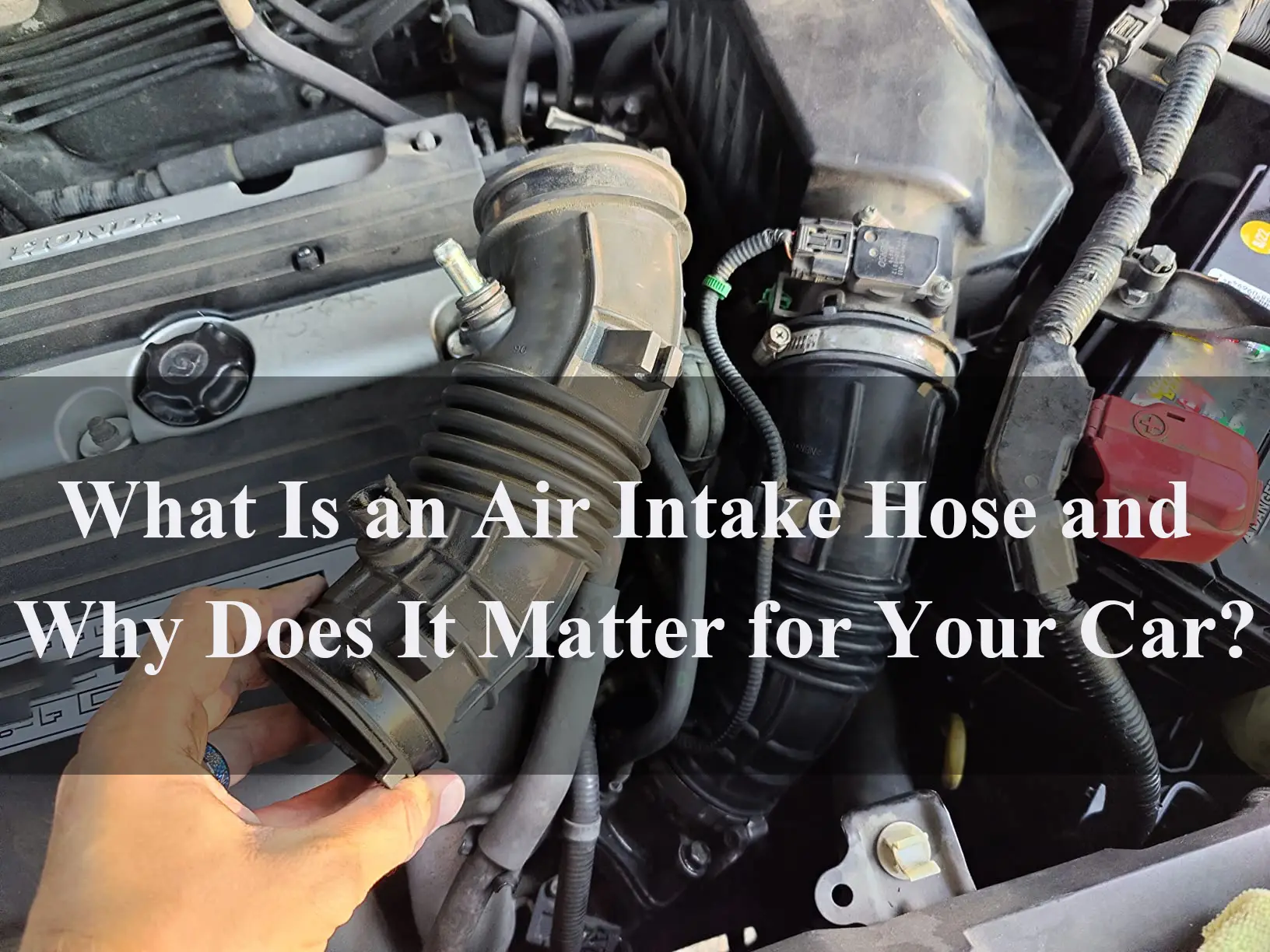
An air intake hose is a flexible hose that connects your car’s air filter box to the engine’s throttle body. It lets clean air flow into the engine so fuel can burn properly. It also keeps out dirt and dust that could cause damage. If it cracks, your car may lose power or run rough.

Now that you know what it does, let’s look at how it works, how to tell if it’s malfunctioning, and what you can do to fix it.
What Does an Air Intake Hose Do?

Your engine needs air just like you do. The air intake hose helps your car “breathe” by delivering clean air from the air filter to the engine. This air mixes with fuel, allowing the car to run smoothly.
When the hose is in good condition, it will:
- Prevent dust and dirt from entering the engine
- Help your car use gasoline more efficiently
- Allow the engine to run more smoothly
- If the hose has holes or cracks, the engine may run unevenly or even stall.
What Are the Advantages of a Good Air Intake Hose?

A sturdy and well-installed air intake hose offers many benefits:
- Improved Performance: Smooth airflow helps your vehicle respond faster when you press the accelerator.
- Fuel Savings: No leaks mean your car burns fuel correctly.
- Cleaner Emissions: Filtering the air keeps exhaust emissions cleaner.
- Extended Engine Life: This prevents dirt from entering, making your engine components more durable.
- Reduced Maintenance: Catching damage early can prevent expensive repairs later.
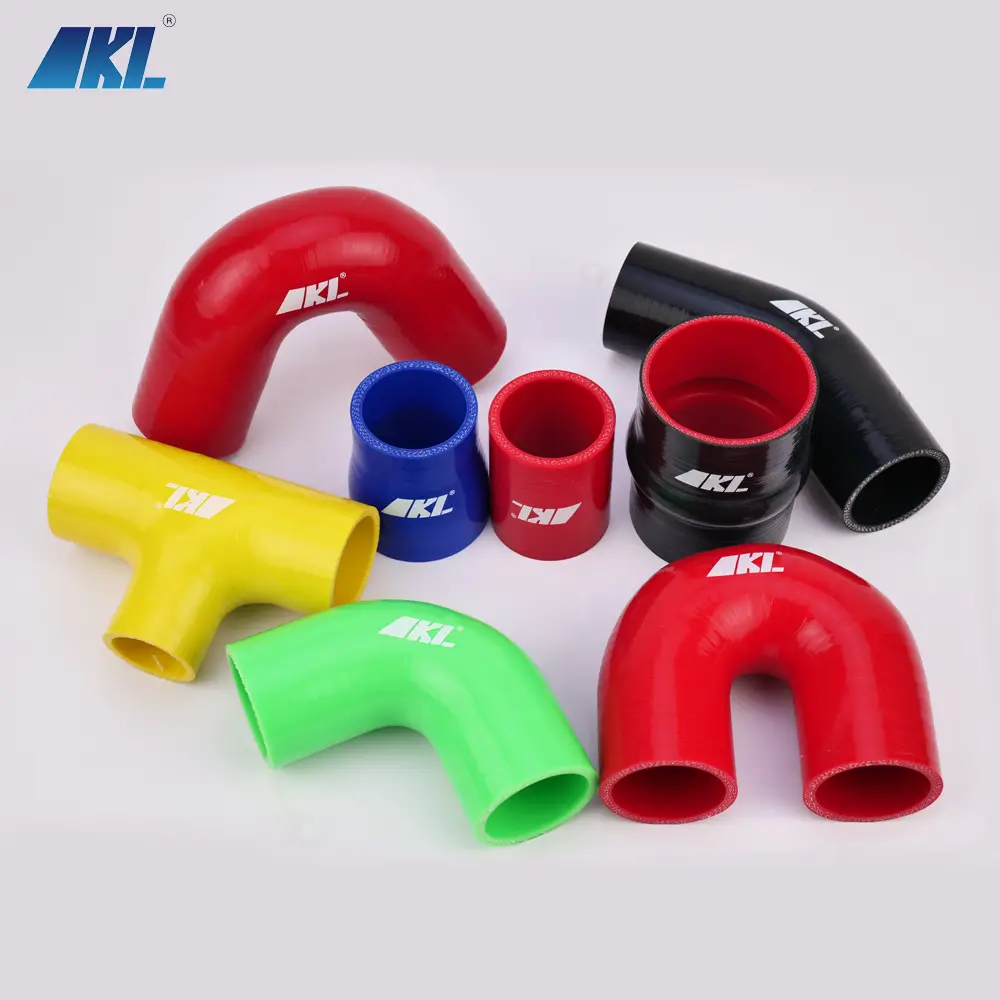
- Cool Upgrade: Silicone hoses or cold air intakes look cool and can provide a slight power boost to your car.
A good air intake hose helps keep your engine healthy and saves you money in the long run.
How Does the Air Intake System Work?
Your car’s air intake system is like the engine’s respiratory system. It includes:
- Air filter box: Cleans the air.
- Mass airflow sensor: Measures the amount of air entering the engine.
- Intake hose: Connects everything together.
- Throttle body: Controls the amount of air entering the engine.
If any of these components fail, especially the intake hose connection, your car may lose power or burn extra fuel.
What Are the Symptoms of a Bad Air Intake Hose?
Here are some signs of a potentially faulty air intake hose:
- Unstable idle: The engine may shake or have an uneven sound.
- Hissing sound: Air is leaking from a crack.
- Slow acceleration: The car doesn’t respond as it should.
- Check engine light: The computer detects abnormal airflow.
- Poor fuel economy: You’re burning more fuel than usual.
If you notice any of these symptoms of a bad air intake hose, it’s time to have it checked.
How to Inspect an Air Intake Hose
You can inspect your hose in just a few minutes:
- Turn off your car and let it cool down.
- Open the hood and locate the hose between the air filter box and the engine.
- Feel along the hose for any soft spots or cracks.
- Gently bend the hose and check for cracks.
- Spray some soapy water on the hose while the engine is idling. If you see bubbles, there is a leak.
If you find any cracks or weak spots, it’s best to replace the hose as soon as possible.
How to Replace Your Intake Hose Yourself

Replacing it yourself is actually quite easy.
- You will need: A screwdriver, a wrench, gloves, and a new hose (original or aftermarket).
Steps:
- Disconnect the battery.
- Loosen the clamps at both ends of the old hose.
- Carefully remove the hose.
- Wipe away any dirt from the air filter and throttle body.
- Connect the new hose and tighten the clamps.
- Reconnect the battery and start the car to check.
It usually takes less than 30 minutes. You can also buy a new intake hose kit that includes clamps and seals.
What Materials Are Air Intake Hoses Made Of?
You’ll find hoses made from different materials:
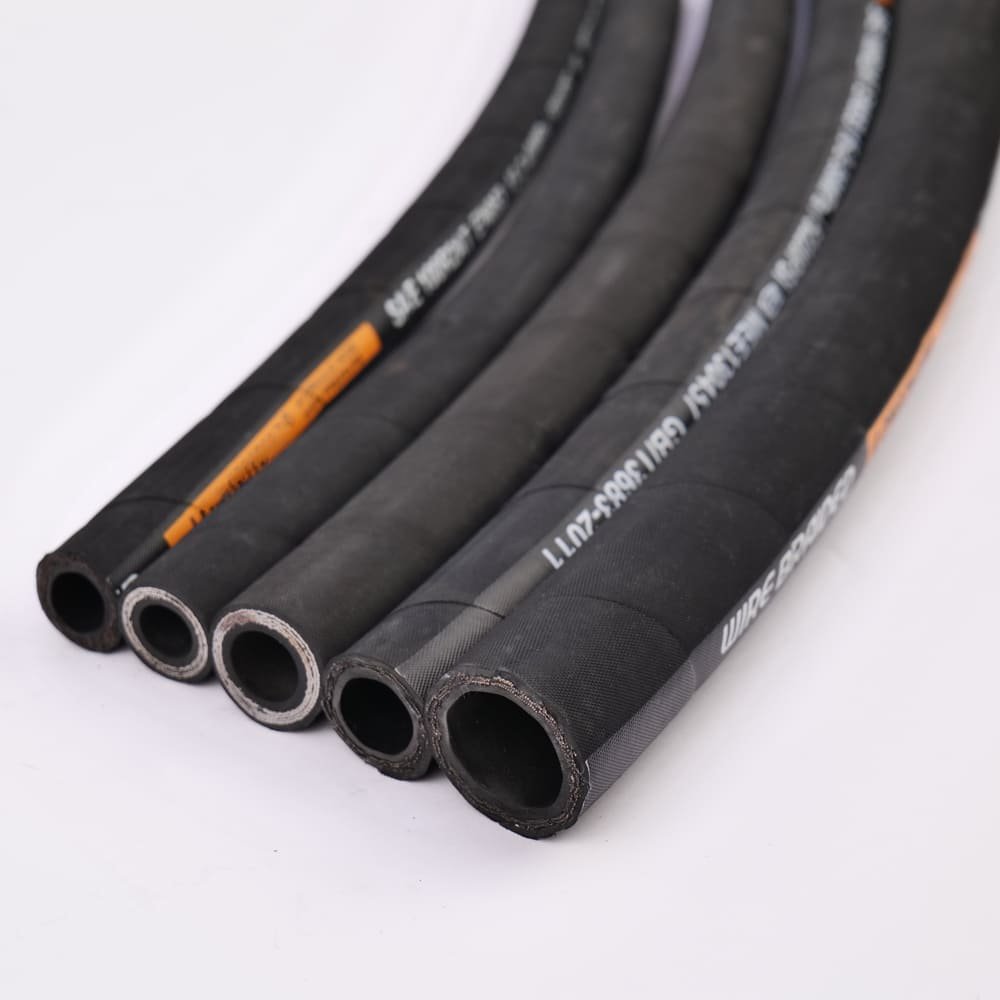
- Rubber: Inexpensive and flexible, but can crack over time.
- Plastic: Lightweight, but not ideal for high temperatures.
- Silicone: Strong and durable, perfect for high-performance cars.
If you drive in hot weather, a silicone intake hose will be much more durable.
Are universal intake hoses worth buying?
Universal intake hoses fit many cars, but they aren’t always a perfect fit. You might need to cut them or use adapters.
They’re a good option if:
- You enjoy DIY projects
- You can’t find one that perfectly matches your car
- You need a budget-friendly option
If you don’t want to do any modifications, you can buy a hose specifically designed for your car model.
What’s the difference between a cold air intake hose and a regular hose?
A cold air intake hose draws air from outside the engine compartment, where the temperature is lower. Colder air means better combustion and slightly more power.
A regular hose draws warmer air from under the hood, which may slightly reduce performance.
If you want more horsepower or a sportier sound, a cold air intake hose is an interesting upgrade.
When Should You Replace Your Air Intake Hose?
You should inspect the hose every 30,000–50,000 miles or during oil changes. Replace it if you find:
- Cracks or splits
- Oil stains or dirt buildup
- Loose or missing clamps
- Whistling or hissing sounds
Replacing it early will keep your engine running smoothly and prevent bigger problems down the road.
Can you drive with a broken air intake hose?
You can, but it’s not a good idea. A broken hose allows unfiltered air to enter the engine, which can cause damage over time.
If you need to drive for a short time, you can wrap the damaged area with tape. However, this is only a temporary fix, and you should replace the hose as soon as possible.
Summary
Your intake hose may be small, but it’s crucial to your car’s health. Regular inspection and replacement when needed will ensure your car runs better and lasts longer.
Are you struggling to find the most reliable air intake hose manufacturer? We can provide you with the best assistance.
Kinglin specializes in manufacturing intake hoses and has extensive production experience. If you need to purchase intake hoses, please contact us today!
Air Intake Hose FAQ
What happens if my air intake hose is cracked or leaking?
A cracked or leaking hose lets unfiltered air into the engine. This can cause rough idling, loss of power, poor gas mileage, and even trigger the check-engine light.
How do I know if my air intake hose is bad?
You might hear hissing sounds, notice uneven idling, or see your check-engine light turn on. A visual check for cracks or soft spots can confirm the problem.
How often should I replace my air intake hose?
Check your hose every 30,000–50,000 miles or during regular oil changes. Replace it if it shows cracks, wear, or loose fittings.
What are the main advantages of a good air intake hose?
It improves fuel economy, boosts performance, keeps your engine clean, and prevents costly repairs, all while helping your car breathe easier.