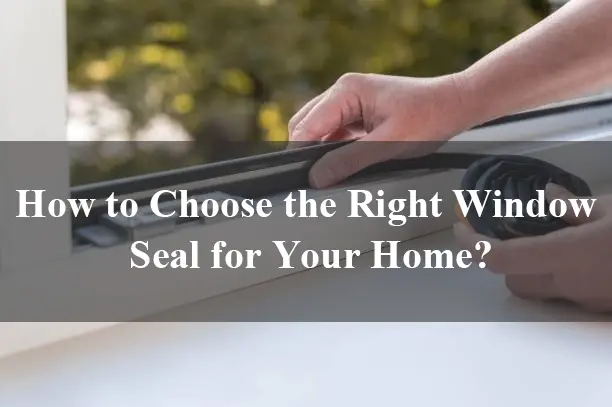
Choosing the right window seal for your home is crucial for comfort and energy efficiency. With many options available, this article will help you understand different types of window seals, materials, and how to choose the best one.
The best window seal depends on your window type, gap size, and climate. Durable materials like silicone and rubber seals work best because they can handle weather changes and last for years. Foam seals are great for small gaps and quick fixes. Always measure the gap before choosing a seal. The right fit stops drafts, blocks noise, and keeps your home comfortable.

Let’s take a closer look at the types of window seals and how to choose the best one for your home.
Understanding Different Types of Window Seals
Window seals or weatherstripping prevent air, water, and dust from entering through window gaps. Here are the most common types:
- Rubber seals: Durable, flexible, and ideal for outdoor windows. They can withstand sunlight and temperature changes.
- Foam seals: Inexpensive and easy to install. They work well for uneven gaps but may wear out faster.
- Vinyl seals: Stylish and used in many modern homes. They look good but can become stiff in cold weather.
- Brush or felt strips: Best suited for sliding windows. They block dust while allowing the window to move smoothly.

How to Choose a Window Seal
Choosing the right window seal starts with measuring the gap and understanding how much your window moves.
- Small gaps: Use foam or silicone seals.
- Large or uneven gaps: Consider EPDM rubber or a flexible hybrid seal.
- Windows you open frequently: Choose durable materials like rubber.
Always test a small piece before buying a whole roll. The right fit should feel snug but not too tight.
Choosing the Right Material for Your Window Seal

The material you choose will significantly impact the seal’s durability.
- Silicone: Can handle various weather conditions and remains flexible even at freezing temperatures.

- EPDM rubber: Strong and UV resistant. Ideal for sunny locations.
- Foam: Inexpensive and simple, convenient for quick fixes. Vinyl: Offers a clean look but less elasticity in cold climates.
- Hybrid Seals: Combine the best properties of rubber and silicone.
Each material has various advantages in different applications, for example, silicone seals perform better in humid environments, while EPDM material performs better in dry, sunny environments.
Factors to Consider When Choosing Seal Strips for Windows
When choosing window seal strips, consider the following factors:
- Durability: Choose a weather-resistant and flexible style.
- Climate: Hot, cold, or humid regions require different types of seals.
- Noise: Thicker rubber seals provide better sound insulation.
- Ease of Installation: Foam and peel-and-stick seals are very easy to install.
- Appearance: Choose a color and style that matches the look of your windows.
Signs That You Need to Replace Your Window Seals
Your window seals may need replacing if you notice the following:
- Cold air or drafts near the windows
- Condensation between double-paned windows
- Noticeable outside noise
- The original seals are brittle, cracked, or peeling
- Higher heating or cooling costs
If you notice these signs, don’t hesitate—now is the time to replace them.
Benefits of Replacing Your Window Seals
Regularly replacing your seals can:
Save energy by preventing air leaks
Make your home more comfortable
Reduce outside noise
Prevent water leaks and mold
Help your windows last longer
It’s a small job, but with significant results.
Seal Strip Installation Tips
Most seals can be installed yourself. Here’s how:
- Clean the window, ensuring there is no dust or dirt.
- Measure the gap accurately.
- Cut the seal strip to fit the length of the window.
- Press it evenly.
- Test by closing the window to ensure there are no air leaks.
Do not stretch the seal; it may shrink and create gaps.
Frequently Asked Questions
What are the different types of window seals?
Rubber, foam, vinyl, and felt seals. Rubber and silicone are the most durable; foam is used for small gaps; brush seals are ideal for sliding windows.
How do I measure the gap for window seals?
Close the window and use a ruler to measure the gap between the sash and the frame. Measure at several points, as the gap may vary slightly.
What materials are window seals made of?
They are typically made of rubber, silicone, foam, vinyl, or a combination of materials. Each has varying levels of strength and flexibility.
How do I know when to replace my window seals?
Replace them if you feel drafts, see condensation, or notice cracks, peeling, or increased energy bills.
What are the benefits of replacing window seals?
It saves energy, makes your home more comfortable, blocks noise, and prevents moisture problems.
Can I install window seals myself?
Yes! Most are self-adhesive. Simply clean the surface, measure, cut, and apply.
What is the best material for window seals?
Silicone or EPDM rubber – they are the most durable, weather-resistant, and remain flexible. Foam is suitable for quick and inexpensive repairs.
How long do window seals last?
Foam seals: 1–2 years.
Rubber or silicone seals: 5–10 years with proper maintenance.
Summary
Good window seals make your home more comfortable and save you money. Whether you use silicone, foam, or rubber, measure carefully and inspect them annually. Replacing old seals is a simple task that improves comfort, blocks drafts, and keeps your home warm and cozy all year round.
Start upgrading your window seals today!