As mangueiras de borracha são componentes essenciais no mundo automotivo e industrial, servindo como vias vitais para fluidos e gases. Compreender os diferentes tipos e materiais e manter essas mangueiras é crucial. Neste guia completo, veremos tudo o que você precisa saber sobre mangueiras de borracha, desde sua estrutura básica até escolher a mais adequada para suas necessidades.
O que são mangueiras de borracha?
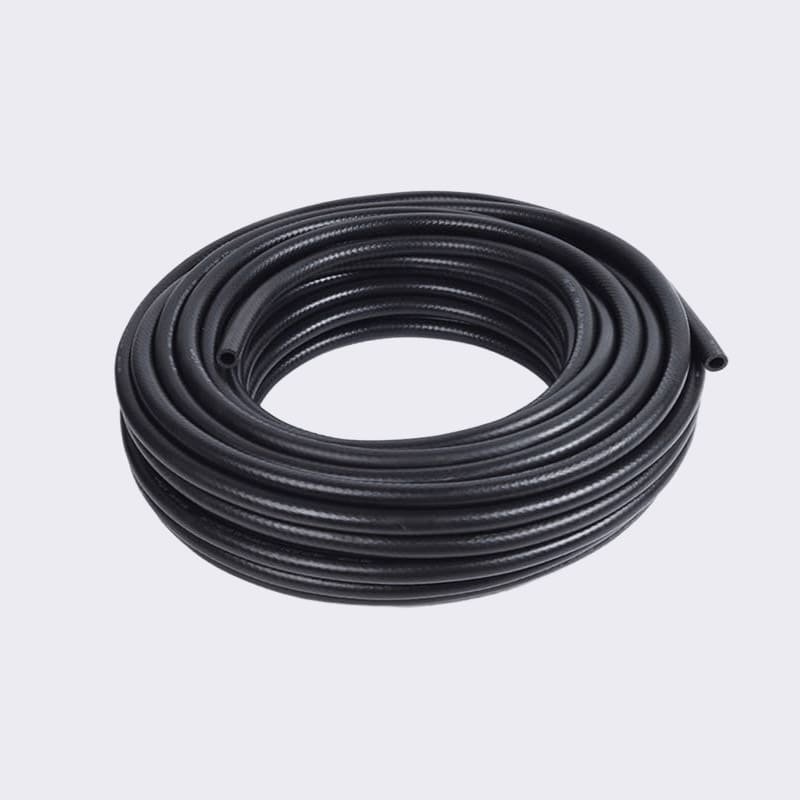
Mangueiras de borracha são tubos flexíveis feitos de borracha natural ou sintética. Eles são projetados para mover líquidos, gases, ou materiais granulares e são usados em muitas indústrias diferentes. Eles têm um tubo interno, uma camada de reforço, e uma cobertura externa, cada um com uma finalidade específica para fazer a mangueira durar, dobrar, e resistir ao meio ambiente.
Tipos comuns de mangueiras de borracha para automóveis:
Na indústria automotiva, existem vários tipos de mangueiras de borracha, incluindo:
- Mangueiras de radiador: Essas mangueiras transportam o líquido refrigerante do motor para o radiador e de volta, ajudando a manter o motor frio.
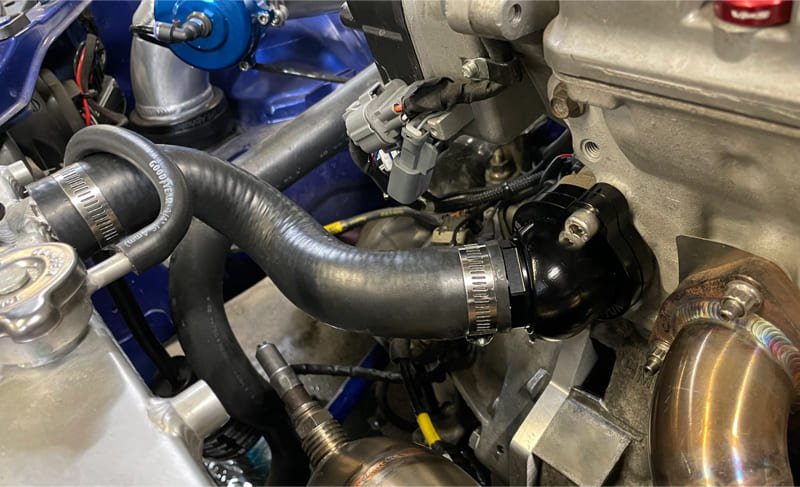
- Mangueiras de refrigerante: Usado para o transporte de fluido refrigerante.
- Mangueiras de combustível: Projetado para transportar gasolina ou diesel.
- Mangueiras de freio: Vital para o sistema de travagem hidráulica.
- Mangueiras de admissão de ar: Entregar ar ao motor.
Cada mangueira é construída para atender a determinadas especificações, como pressão, temperatura, e resistência química.
Materiais usados em mangueiras de borracha
As mangueiras de borracha são feitas de uma variedade de materiais. Cada material tem suas próprias propriedades especiais, o que o torna adequado para diferentes usos. Aqui estão alguns dos materiais mais comuns usados para fazer mangueiras de borracha:
- Borracha natural
Propriedades: Excelente elasticidade, boa resistência ao desgaste, e boa adesão a outros materiais.
Aplicações: Usado em mangueiras de uso geral para ar, água, e alguns produtos químicos suaves. - EPDM
Propriedades: Pode suportar altas temperaturas, ozônio, intemperismo, e envelhecimento. Stays flexible in cold temperatures.
Aplicações: Used for car hoses, including coolant and radiator hoses, and for water and steam hoses. - NBR
Propriedades: High resistance to oil, combustível, e outros produtos à base de petróleo. Good abrasion resistance.
Aplicações: Used in fuel and oil hoses and hydraulic hoses.
These materials are often chosen because they have specific properties that are needed for the application, such as resistance to heat, produtos químicos, óleo, abrasão, e o meio ambiente. Sometimes hoses are made of a combination of materials to get the properties that are needed.
Maintenance Tips for Automotive Rubber Hoses
Proper maintenance of automotive rubber hoses is crucial for ensuring their longevity and performance. Here are some key tips:
- Regular Inspection: Check hoses for cracks, vazamentos, and wear regularly.
- Proper Storage: Store hoses away from direct sunlight and extreme temperatures.
- Timely Replacement: Replace hoses that show signs of aging or damage to prevent failure.
Application of Automotive Rubber Hoses
Automotive rubber hoses are used in various applications, incluindo:
- Sistemas de resfriamento: These are used to transport coolant between the engine and radiator.
- Fuel Systems: Carrying fuel from the tank to the engine.
- Sistemas de entrada de ar: Ensuring the engine receives clean air.
- Sistemas hidráulicos: Transmitting hydraulic fluid in braking and steering systems.
Automobile Rubber Hose Manufacturing and Materials
When making rubber hoses for cars, you select the right materials, mix them to get the properties you want, and then extrude, braid, and vulcanize the hose. The process is designed to make sure the hose bends the right way, is strong enough, and doesn’t fall apart when exposed to the environment.
Factors Affecting the Life of Automobile Hoses
Several factors can impact the life of automobile hoses:
- Temperatura: High temperatures can accelerate the degradation of the hose material.
- Pressão: Too much pressure can make the hose burst or crack.
- Exposição Química: When hose material gets in touch with chemicals like oil or coolant, it can get weaker over time.
How to Choose the Right Rubber Hose According to Your Needs?
When selecting a rubber hose, Considere os seguintes fatores:
- Aplicativo: Identify the main purpose of the hose (Por exemplo, combustível, CoICONTE, ar).
- Material Compatibility: Make sure the hose material is compatible with the fluids or gases it will carry.
- Pressure and Temperature Ratings: Look at the hose’s specifications to match the working conditions of your application.
Common Defects in Rubber Hoses
Some common defects in rubber hoses include:
- Cracking: This happens when the hose is exposed to high temperatures or UV light.
- Blistering: This can occur when there are chemical reactions inside the hose.
- Vazamentos: This is usually caused by wear and tear or incorrect installation.
When to Replace vs. Repair a Rubber Hose
Na maioria dos casos, it’s better to replace a damaged rubber hose than to try to fix it. Repairs are often temporary and can fail under pressure, causing expensive damage. Replacing the hose ensures it will work safely and properly.
How Long Is the Service Life of Automotive Rubber Hoses?
Most manufacturers recommend replacing automotive rubber hoses every four years, although this can vary based on usage, condições ambientais, and the specific application. Regular inspections are essential to determine the hose’s condition and prevent failures.
How to Maintain Automotive Rubber Hoses?
To keep your car’s rubber hoses in good shape for as long as possible, you need to take care of them. Here are some tips on how to do that:
Regularly Look at It
- Check for Cracks and Wear: Regularly look at your hoses to see if they have cracks, vestir, or surface damage. Cracks will often appear on the outside of the hose and are an indication that the hose is getting old or is starting to break down.
- Look for Leaks: Look for any signs of fluid leaking around the hose connections, the clamps, or the hose itself. Even a small leak can turn into a big problem if it’s not taken care of right away.
- Check the Hose Connections: Make sure the hose clamps are tight and there’s no evidence of them slipping or not being seated properly.
Check for Swelling or Soft Spots
- Sinta a mangueira: Gently squeeze the hose to check for soft spots. Soft spots can indicate internal deterioration. Swelling can also indicate that the hose material may be reacting with the fluids it’s carrying, which can weaken it.
- Compare to New Hoses: If you can, compare the feel of the hose to a new one. If you notice any difference in flexibility or texture, you may need to replace it.
Maintain Proper Pressure
- Avoid Over-Pressurization: Ensure the hose is operating within its specified pressure range. Over-pressurization can cause bulging, weakening, and ultimately, hose failure.
- Check System Pressure Regularly: If your vehicle has a pressure gauge, monitor it regularly to ensure the system is not over-pressurizing the hoses.
Keep Hoses Clean
- Wipe Down Hoses: Wipe down hoses regularly to remove dirt, graxa, and debris that can cause abrasion or hide signs of damage. Use a mild detergent and water to clean.
- Inspect After Cleaning: After you clean the hoses, take a close look at them to see if there’s any hidden damage or wear.
Replace Old Hoses
- Follow the Manufacturer’s Guidelines: Replace hoses as often as the manufacturer suggests, even if they still look good. Rubber breaks down over time, so it’s better to be safe than sorry.
- Replace Them All at Once: If one hose in a system is worn out, consider replacing all of them at the same time. The others may be close to wearing out, too.
Don’t Bend or Twist Too Much
- Right Way: Make sure you don’t bend or twist hoses too much. That can create stress points and cause them to fail early.
- Use Guides: If you need to, coloque guias ou suportes de mangueira para manter as mangueiras no lugar certo e evitar que dobrem ou esfreguem em outras peças.
Procure esfregar e raspar
- Veja os lugares onde as coisas tocam: Veja onde as mangueiras podem roçar em outras coisas. Esfregar pode desgastar o material da mangueira, o que pode causar vazamentos ou quebras.
- Coloque as mangas: Use mangas ou envoltórios que sejam resistentes o suficiente para esfregar em mangueiras que tocam outras coisas para evitar que se desgastem.
Teste periodicamente se há vazamentos
- Verifique durante a manutenção de rotina: Você deseja incorporar testes de vazamento em seus cronogramas regulares de manutenção, especialmente para sistemas críticos como freios e refrigeração.
- Troque os fluidos regularmente: Troque regularmente os fluidos para evitar contaminação e acúmulo que podem danificar as mangueiras.
Substitua a mangueira de borracha regularmente
- Substitua quando parecer antigo: Se uma mangueira parece velha (rachado, duro), substitua-o mesmo que não tenha falhado.
- Leve peças sobressalentes: Para mangueiras críticas, especialmente em viagens off-road ou de longa distância, leve mangueiras sobressalentes e ferramentas para substituí-las.
Seguindo estas dicas de manutenção, você pode ajudar a garantir que suas mangueiras de borracha permaneçam em bom estado, reduzir o risco de falhas inesperadas, e prolongar a vida útil dos sistemas do seu veículo. A manutenção regular e a substituição atempada são fundamentais para evitar reparações dispendiosas e manter o seu veículo seguro.
Conclusão
As mangueiras de borracha são uma parte importante da indústria automotiva. Conhecendo os diferentes tipos de mangueiras, os materiais de que são feitos, e como mantê-los é fundamental para obter o melhor desempenho e maior vida útil deles. Escolhendo a mangueira certa para suas necessidades e cuidando dela, you can prevent expensive repairs and keep your systems running smoothly.