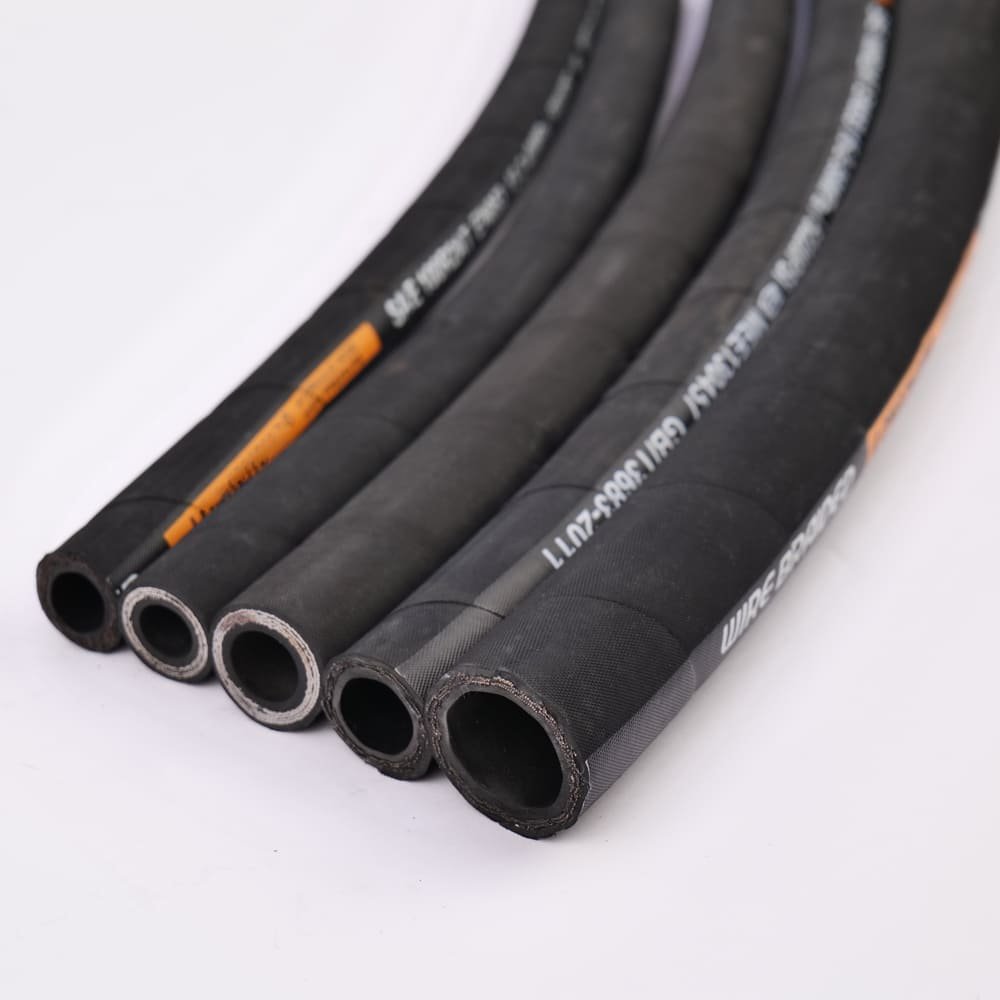
As mangueiras de borracha são uma parte vital de muitas indústrias, especialmente no setor automotivo. Para quem fabrica e vende mangueiras de borracha, é crucial prolongar a vida útil desses produtos para reduzir custos, confiabilidade, e felicidade do cliente. Quer se trate de mangueiras de refrigeração em automóveis ou mangueiras de borracha industriais, cuidar bem deles é a chave para fazê-los durar. Neste guia, veremos algumas maneiras práticas de prolongar a vida útil de suas mangueiras de borracha, então você tira o máximo proveito deles.
Como manter suas mangueiras de borracha em ótimas condições
É importante manter o interior e o exterior das mangueiras de borracha limpos para uma vida longa. Limpeza regular de mangueiras de borracha, tanto por dentro quanto por fora, ajuda a evitar acúmulos que podem levar a falhas precoces. Manter o interior fresco e limpo pode reduzir bastante o desgaste, garantindo que as mangueiras durem mais.
Verifique periodicamente se há sinais de desgaste, pois detritos ou contaminantes internos podem fazer com que as mangueiras falhem prematuramente. O uso de refrigerantes e lubrificantes também ajuda a prolongar a vida útil de uma mangueira.
Causas comuns de danos nas mangueiras e como evitá-los
As mangueiras de borracha podem ser danificadas por vários motivos. Exposição a altas temperaturas, ultravioleta (UV) raios, e produtos químicos podem fazer com que a borracha envelheça mais rapidamente, resultando em rachaduras, fragilidade, ou vazamentos. Aqui estão as principais causas de danos nas mangueiras e o que os fabricantes e atacadistas podem fazer para evitá-los:
Alta temperatura e danos causados pelo calor
Muito calor, especialmente dos compartimentos do motor, pode fazer a borracha amolecer e rachar. Os fabricantes devem dizer às pessoas para colocarem isolamento em suas mangueiras ou usarem mangueiras que possam suportar temperaturas mais altas quando precisarem.
Exposição Química
Na indústria, as mangueiras muitas vezes ficam expostas a produtos químicos que comem borracha. Escolher mangueiras de borracha que resistam a produtos químicos ou sugerir cobri-las pode ajudar a resolver isso.
Más condições de armazenamento
Se você deixar suas mangueiras ao ar livre, ao sol ou em áreas onde a temperatura muda muito, eles vão quebrar rapidamente. Idealmente, as mangueiras devem ser armazenadas em local fresco, locais secos onde não estão expostos aos raios UV. Incentive seus clientes a guardar suas mangueiras de maneira adequada para que não apodreçam.
Como você prolonga a vida útil da borracha?
Uma das maneiras mais fáceis de fazer com que suas mangueiras de borracha durem mais é controlar o ambiente onde elas são armazenadas e usadas. Rubber breaks down faster when it is exposed to extreme temperatures, Luz UV, e umidade. Here are a few tips:
- Keep rubber hoses in a controlled environment: Keep the temperature below 100°F and keep them out of direct sunlight or artificial UV light.
- Maintain proper humidity levels: If you need to store rubber products for a long time, put them in sealed, moisture-proof bags to prevent them from drying out and cracking.
- Avoid exposure to chemicals: If you limit your hose’s exposure to harsh chemicals, especially those with solvents, it will last a lot longer.
What Is the Best Lubricant for Rubber Hoses?
Lubricating rubber hoses is important, especially in automotive or industrial settings where flexibility is needed. Using the wrong lubricant can damage the rubber, mas lubrificantes à base de silicone são frequentemente recomendados para mangueiras de borracha porque funcionam bem e são compatíveis. Veja por que o silicone é ótimo:
- Compatibilidade com borracha: Silicone não faz mal à borracha, então é ótimo para manter as mangueiras de borracha flexíveis ao longo do tempo.
- Proteção contra secagem: Lubrificantes de silicone ajudam a vedar a borracha, protegendo-o de secar ou rachar.
Incentive os clientes a evitar lubrificantes à base de petróleo que danificam a borracha, fazendo com que ele endureça e eventualmente quebre.
Quanto tempo duram as mangueiras de borracha?
Em geral, mangueiras de borracha duram cerca de 3-5 anos, dependendo de quão bem você cuida deles. No entanto, vários fatores podem afetar a duração de uma mangueira de borracha, incluindo:
- Uso: As mangueiras não gostam de ser dobradas ou dobradas. Fazer isso encurtará sua vida. As condições de condução também podem afetar a duração das mangueiras do radiador do carro.
- Environment: Hoses that are exposed to extreme temperatures or chemicals will wear out faster.
- Material: Some rubber hoses are designed to last longer, especially those reinforced with materials that give them added strength and durability.
You need to check hoses on a regular basis. I recommend your customers check their hoses for any cracks, descoloração, or signs of wear and replace them immediately when they start to look old.
How to Make Coolant Hoses Last Longer
When it comes to coolant hoses in vehicles, keeping them in good shape is important for engine performance. Here’s how your customers can make them last longer:
- Change coolant when needed: Coolants should be changed when the vehicle manufacturer says so. This will help prevent contamination and keep the coolant system working right.
- Watch engine temperature: If your engine runs too hot all the time, it can make your hoses wear out faster. Keep your engine running at the right temperature to protect your coolant hoses.
Making sure you have the right coolant mix and not using cheap coolant additives are also important to making your coolant hoses last.
Tips on Cleaning Engine Rubber Hoses
Cleaning your hoses is important because it will make them last longer and work better. Here are some tips for cleaning your engine rubber hoses:
- Use a degreaser to clean hoses: Spray the hose with a degreaser following the manufacturer’s instructions. This helps to remove dirt, óleo, and other contaminants that can deteriorate rubber.
- Blast it with water: After you degrease it, shoot it with water to get the rest of the dirt off. Don’t hit the hose directly with the pressure washer, or you’ll blow it up.
- Dry the hoses: Once you’re done cleaning, make sure the hoses are dry before you use them again.
Cleaning the hoses and the stuff around them keeps dirt and gunk from building up and ruining the rubber.
Using Rubber Hose Protectant and Conditioners
Hose protectants and conditioners are made to prevent cracking and extend the life of rubber products. They create a protective barrier that keeps UV rays and other nasty stuff from breaking down the rubber. Here’s how they work:
- UV protection: A lot of rubber hose conditioners have UV protection, which keeps the rubber from getting hard under the sun.
- Water repellent: These protectants also help keep water from soaking into the rubber, which can lead to swelling or rotting.
Applying these protectants regularly will keep rubber hoses flexible and durable, extending their life in harsh conditions.
Conclusão
Taking care of rubber hoses is important if you want to get the most out of them, especially in automotive and industrial applications. By cleaning them properly, keeping them out of extreme heat and cold, using the right lubricants, and applying protective coatings regularly, manufacturers and distributors can help make sure their hoses last a long time. Encouraging end-users to take care of their hoses is one of the best ways to keep costs down and make sure the product works when it’s supposed to.