I tubi del carburante sono una parte molto comune di un'auto. Comprendere il materiale delle tubazioni del carburante può aiutarti a scegliere il prodotto più adatto.
Automobile fuel line hoses are typically made of stainless steel, alluminio, acciaio rivestito, plastica (nylon), o materiali in gomma/elastomero. Molti tubi moderni sono rivestiti con politetrafluoroetilene (PTFE) for superior chemical resistance and durability. Metal hoses offer strength and heat resistance, plastic hoses are lightweight and corrosion-resistant, and rubber hoses are flexible. The choice depends on your vehicle type, tipo di carburante, and performance requirements.
Choosing the right fuel line material requires consideration not only of cost but also of safety, compatibility, e durata. Let’s take a closer look at each of these.
common fuel pipe materials and their advantages
Acciaio inossidabile:
High-grade metal that resists corrosion and rust.
Vantaggi
Excellent durability
Withstands high pressure and temperature
Resists moisture and road salt corrosion
Durata di lunga durata
Alluminio:
Lightweight metal commonly used in high-performance and racing applications.
Vantaggi:
Reduced vehicle weight
Buona resistenza alla corrosione
Easy to bend and fabricate
Suitable for high-performance builds
Gomma (Nbr, EPDM, Viton):
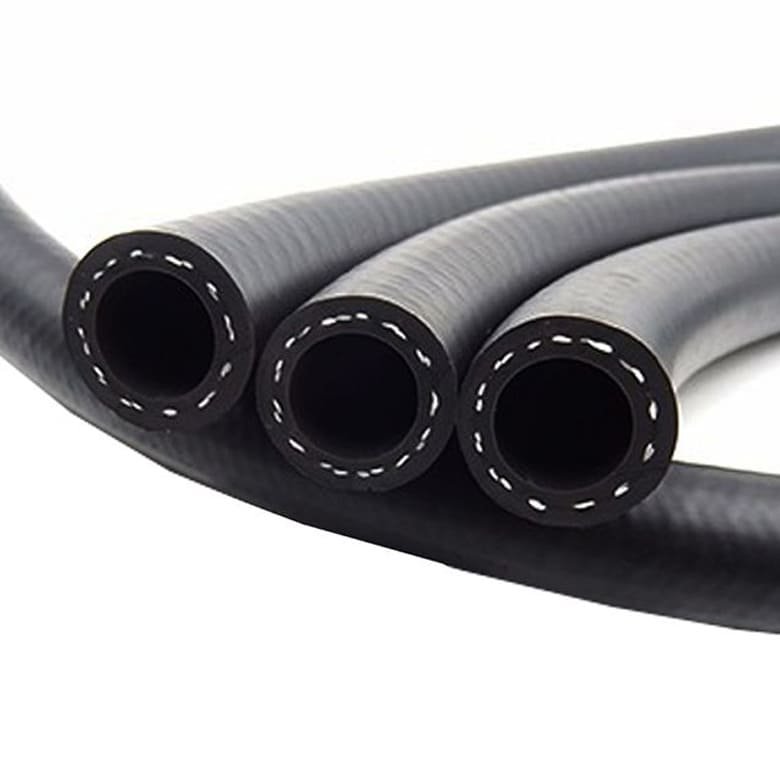
Flexible hose for low- and medium-pressure fuel delivery.
Vantaggi: Facile da installare, Economico, Vibration-resistant, Good flexibility at low temperatures.
PTFE (Polytetrafluoroethylene Liner):
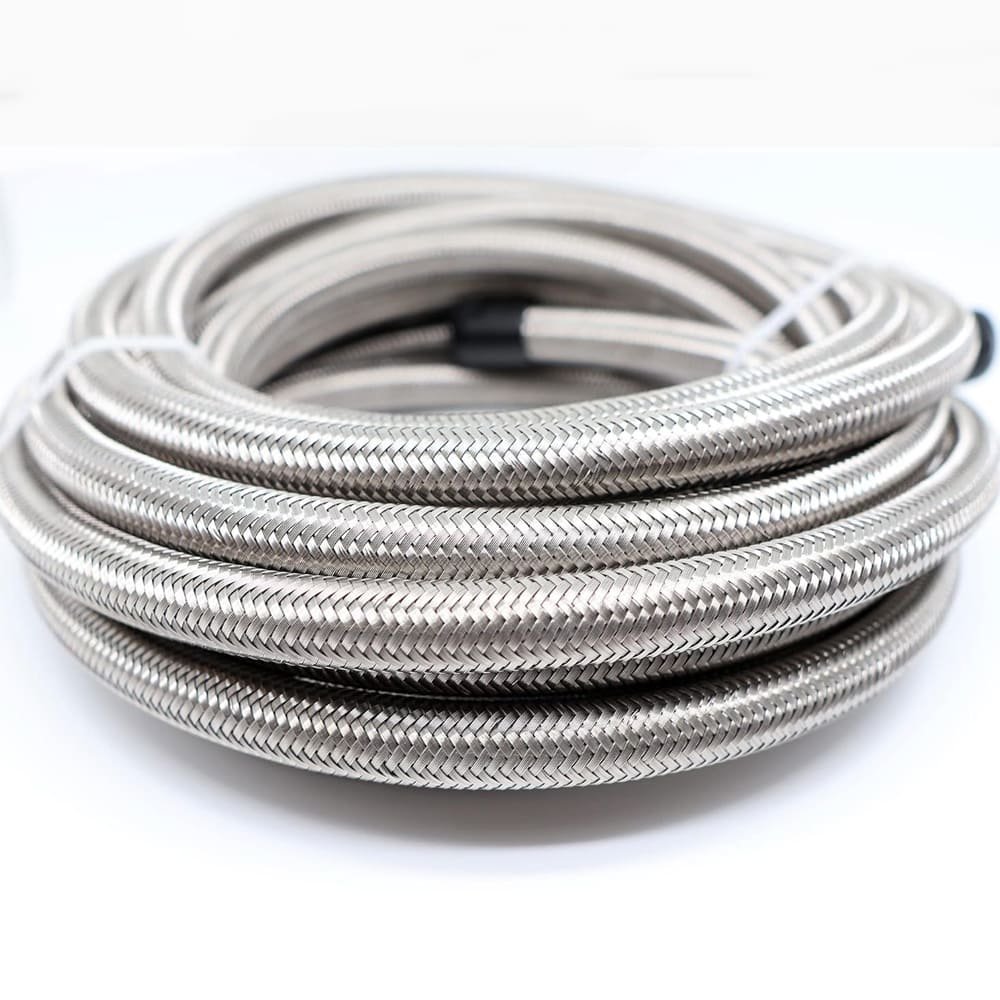
A synthetic fluoropolymer lining is typically found inside braided hoses.
Vantaggi:
Resistant to ethanol, metanolo, and racing fuels
No fuel vapor permeation
Resistenza ad alta temperatura
Extremely long service life
Nylon (Plastica)
Lightweight synthetic polymer used in modern OEM production lines.
Vantaggi
Corrosion-free
Flexible for tight wiring
Leggero, improving fuel economy
Compatible with quick-connect fittings
What’s the best material for fuel lines?
The “best” material depends on the fuel type, pressione, e ambiente. Tuttavia, PTFE fuel lines (politetrafluoroetilene) are increasingly considered the gold standard:
Chemical resistance – Handles gasoline, diesel, ethanol blends, and racing fuels without degradation.
Temperature resistance – Withstands the extreme heat of turbocharged engines.
Longevity – Outlasts rubber and even some metals in demanding applications.
Riepilogo
Fuel lines are made from durable metal, lightweight nylon, or flexible, easy-to-install, and affordable rubber. You can choose the product that best suits your needs based on the material’s characteristics. For more details and a product catalog, per favore contattaci oggi.