Gummislanger er kritiske komponenter i bilindustrien og industriverdenen, fungerer som vitale veje for væsker og gasser. At forstå de forskellige typer og materialer og vedligeholde disse slanger er afgørende. I denne komplette guide, vi gennemgår alt, hvad du behøver at vide om gummislanger, fra deres grundlæggende struktur til at vælge den rigtige til dine behov.
Hvad er gummislanger?
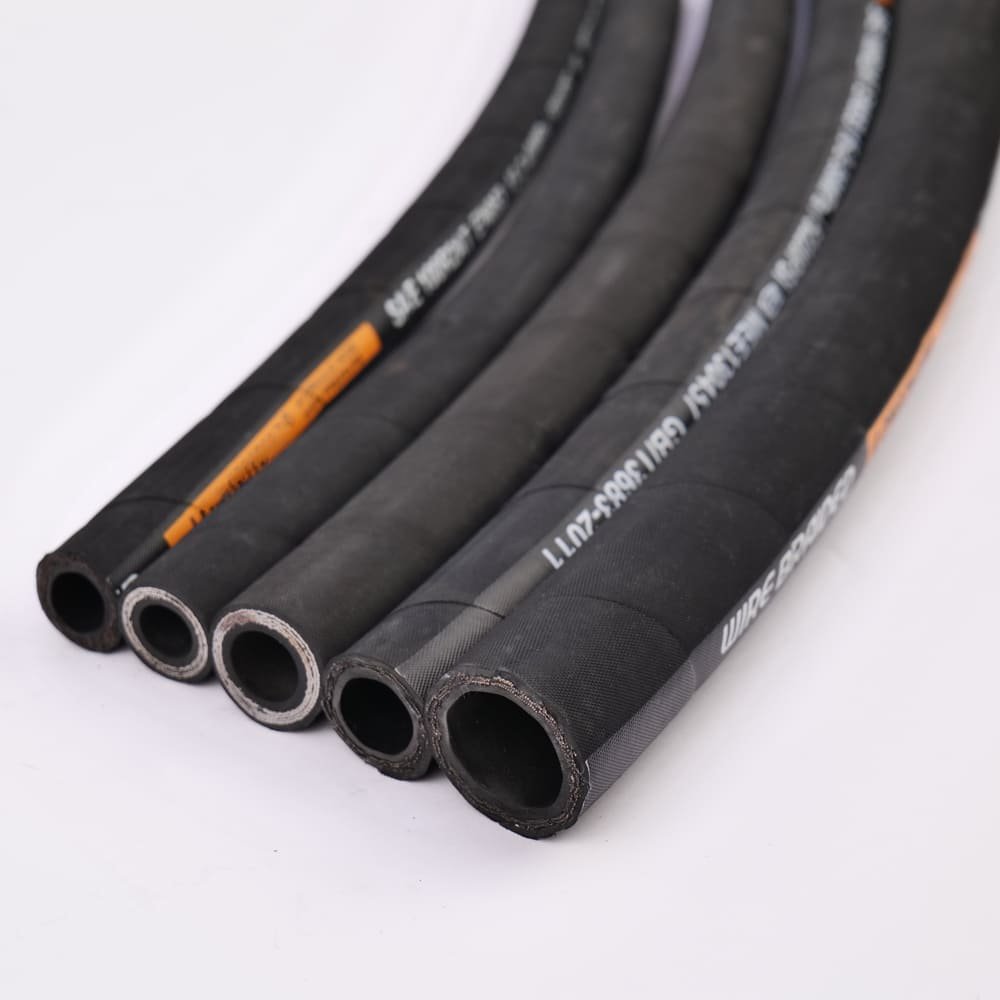
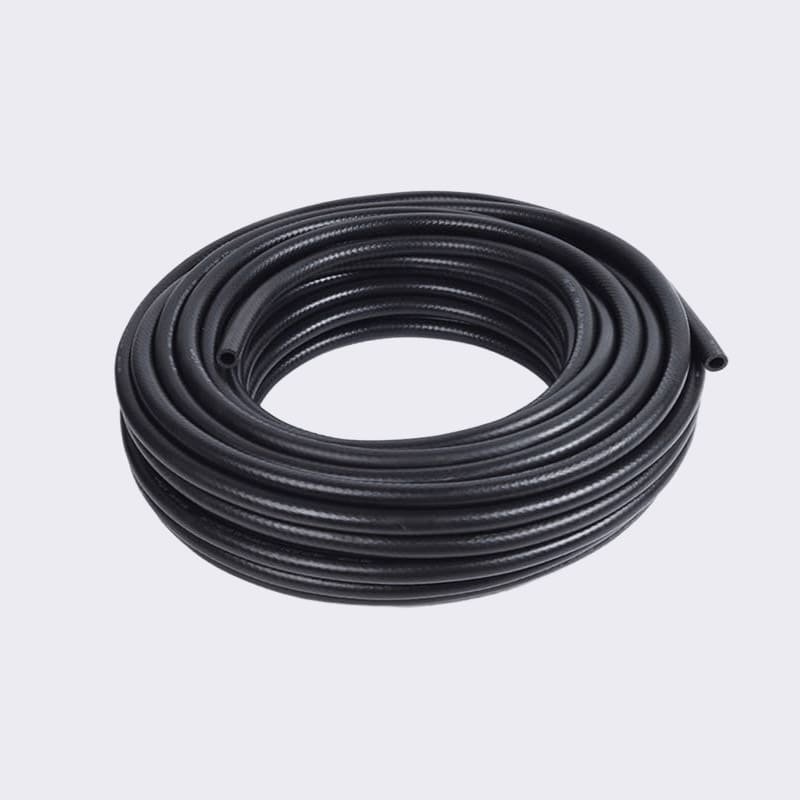
Gummislanger er fleksible rør lavet af naturligt eller syntetisk gummi. De er designet til at flytte væsker, gasser, eller granulerede materialer og bruges i mange forskellige industrier. De har et indvendigt rør, et forstærkningslag, og et ydre omslag, hver med et specifikt formål at få slangen til at holde, bøje, og tåle miljøet.
Almindelige typer bilgummislanger:
I bilindustrien, der findes flere typer gummislanger, inklusive:
- Radiatorslanger: Disse slanger fører kølevæske fra motoren til køleren og tilbage, hjælper med at holde motoren kølig.
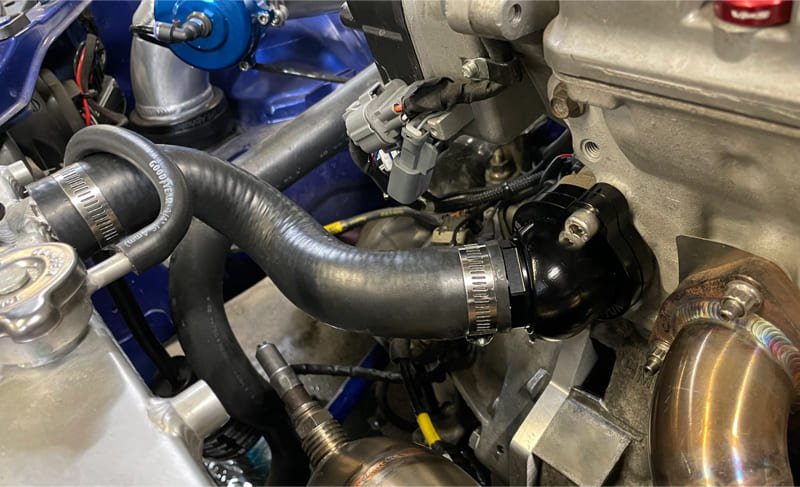
- Kølevæske slanger: Anvendes til transport af kølevæske.
- Brændstofslanger: Designet til at transportere benzin eller diesel.
- Bremseslanger: Vital for det hydrauliske bremsesystem.
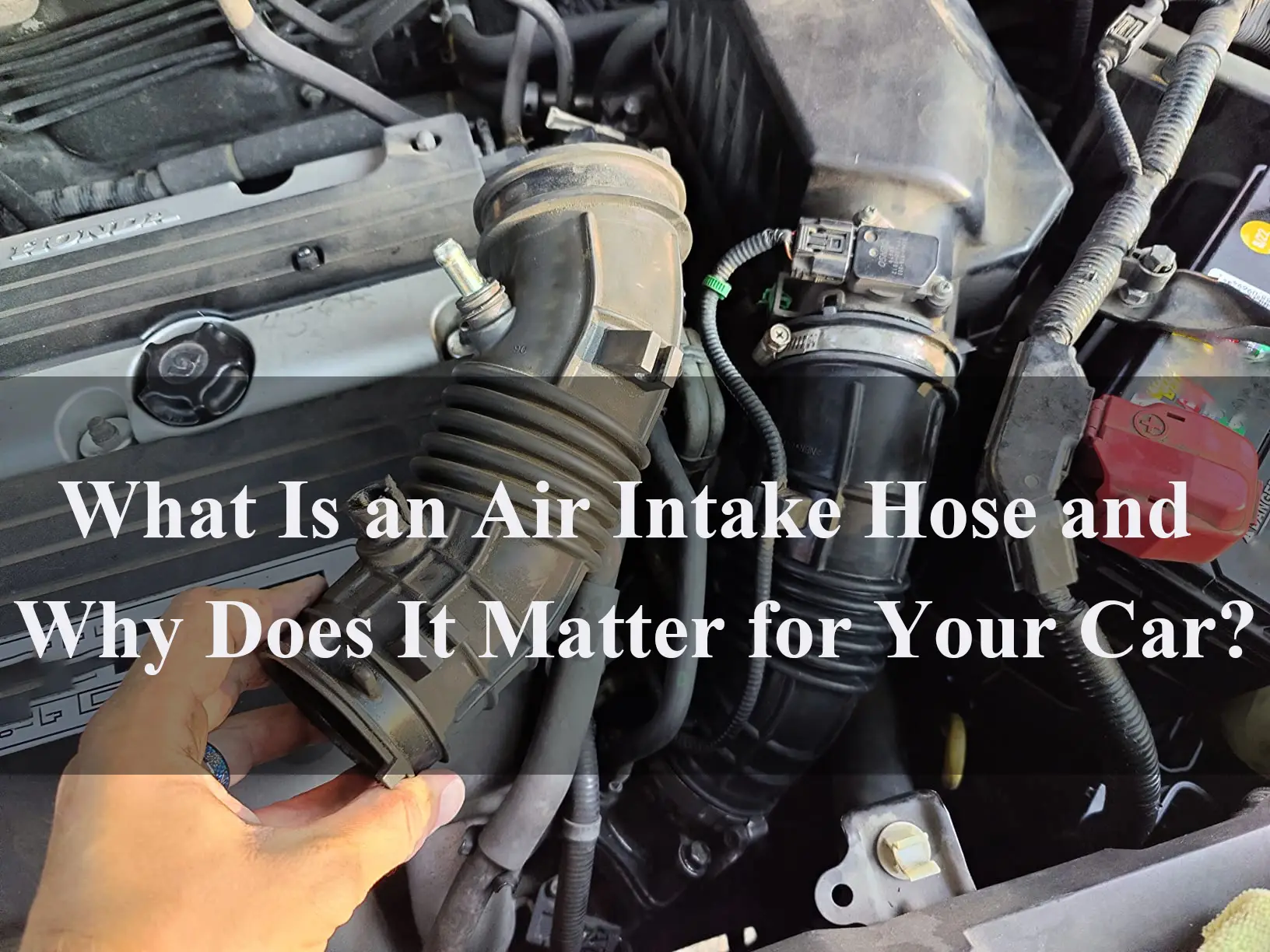
- Luftindtagsslanger: Lever luft til motoren.
Hver slange er bygget til at opfylde visse specifikationer, såsom tryk, temperatur, og kemisk resistens.
Materialer, der anvendes i gummislanger
Gummislanger er lavet af en række forskellige materialer. Hvert materiale har sine egne specielle egenskaber, som gør den velegnet til forskellige formål. Her er nogle af de mest almindelige materialer, der bruges til fremstilling af gummislanger:
- Naturgummi
Egenskaber: Fremragende elasticitet, god slidstyrke, og god vedhæftning til andre materialer.
Applikationer: Anvendes i almene slanger til luft, vand, og nogle milde kemikalier. - EPDM
Egenskaber: Kan modstå høje temperaturer, ozon, forvitring, og aldring. Forbliver fleksibel i kolde temperaturer.
Applikationer: Anvendes til bilslanger, inklusive kølevæske og kølerslanger, og til vand- og dampslanger. - NBR
Egenskaber: Høj modstandsdygtighed over for olie, brændstof, og andre oliebaserede produkter. God slidstyrke.
Applikationer: Anvendes i brændstof- og olieslanger og hydraulikslanger.
Disse materialer er ofte valgt, fordi de har specifikke egenskaber, der er nødvendige for anvendelsen, såsom modstand mod varme, Kemikalier, olie, slid, og miljøet. Nogle gange er slanger lavet af en kombination af materialer for at få de egenskaber, der er nødvendige.
Vedligeholdelsestips til gummislanger til biler
Korrekt vedligeholdelse af gummislanger til biler er afgørende for at sikre deres levetid og ydeevne. Her er nogle vigtige tips:
- Regelmæssig inspektion: Tjek slangerne for revner, utætheder, og bære regelmæssigt.
- Korrekt opbevaring: Store hoses away from direct sunlight and extreme temperatures.
- Rettidig udskiftning: Replace hoses that show signs of aging or damage to prevent failure.
Application of Automotive Rubber Hoses
Automotive rubber hoses are used in various applications, inklusive:
- Kølesystemer: These are used to transport coolant between the engine and radiator.
- Fuel Systems: Carrying fuel from the tank to the engine.
- Luftindtagssystemer: Ensuring the engine receives clean air.
- Hydrauliske systemer: Transmitting hydraulic fluid in braking and steering systems.
Automobile Rubber Hose Manufacturing and Materials
When making rubber hoses for cars, you select the right materials, mix them to get the properties you want, and then extrude, braid, and vulcanize the hose. The process is designed to make sure the hose bends the right way, is strong enough, and doesn’t fall apart when exposed to the environment.
Factors Affecting the Life of Automobile Hoses
Several factors can impact the life of automobile hoses:
- Temperatur: High temperatures can accelerate the degradation of the hose material.
- Tryk: Too much pressure can make the hose burst or crack.
- Chemical Exposure: When hose material gets in touch with chemicals like oil or coolant, it can get weaker over time.
How to Choose the Right Rubber Hose According to Your Needs?
When selecting a rubber hose, overveje følgende faktorer:
- Anvendelse: Identify the main purpose of the hose (F.eks., brændstof, kølevæske, luft).
- Material Compatibility: Make sure the hose material is compatible with the fluids or gases it will carry.
- Pressure and Temperature Ratings: Look at the hose’s specifications to match the working conditions of your application.
Common Defects in Rubber Hoses
Some common defects in rubber hoses include:
- Cracking: This happens when the hose is exposed to high temperatures or UV light.
- Blistering: This can occur when there are chemical reactions inside the hose.
- Lækager: This is usually caused by wear and tear or incorrect installation.
When to Replace vs. Repair a Rubber Hose
I de fleste tilfælde, it’s better to replace a damaged rubber hose than to try to fix it. Repairs are often temporary and can fail under pressure, causing expensive damage. Replacing the hose ensures it will work safely and properly.
How Long Is the Service Life of Automotive Rubber Hoses?
Most manufacturers recommend replacing automotive rubber hoses every four years, although this can vary based on usage, Miljøforhold, and the specific application. Regular inspections are essential to determine the hose’s condition and prevent failures.
How to Maintain Automotive Rubber Hoses?
To keep your car’s rubber hoses in good shape for as long as possible, you need to take care of them. Here are some tips on how to do that:
Regularly Look at It
- Check for Cracks and Wear: Regularly look at your hoses to see if they have cracks, slid, or surface damage. Cracks will often appear on the outside of the hose and are an indication that the hose is getting old or is starting to break down.
- Look for Leaks: Look for any signs of fluid leaking around the hose connections, the clamps, or the hose itself. Even a small leak can turn into a big problem if it’s not taken care of right away.
- Check the Hose Connections: Make sure the hose clamps are tight and there’s no evidence of them slipping or not being seated properly.
Check for Swelling or Soft Spots
- Feel the Hose: Gently squeeze the hose to check for soft spots. Soft spots can indicate internal deterioration. Swelling can also indicate that the hose material may be reacting with the fluids it’s carrying, which can weaken it.
- Compare to New Hoses: If you can, compare the feel of the hose to a new one. If you notice any difference in flexibility or texture, you may need to replace it.
Maintain Proper Pressure
- Avoid Over-Pressurization: Ensure the hose is operating within its specified pressure range. Overtryk kan forårsage udbuling, svækkelse, og i sidste ende, slangesvigt.
- Kontroller systemtrykket regelmæssigt: Hvis dit køretøj har en trykmåler, overvåg det regelmæssigt for at sikre, at systemet ikke overtrykker slangerne.
Hold slangerne rene
- Tør slanger af: Tør slangerne af regelmæssigt for at fjerne snavs, fedt, og affald, der kan forårsage slid eller skjule tegn på skade. Brug et mildt rengøringsmiddel og vand til at rengøre.
- Efterse efter rengøring: Når du har renset slangerne, se nærmere på dem for at se, om der er skjulte skader eller slitage.
Udskift gamle slanger
- Følg producentens retningslinjer: Udskift slangerne så ofte, som producenten foreslår, selvom de stadig ser gode ud. Gummi nedbrydes over tid, så det er bedre at være sikker end undskyld.
- Udskift dem alle på én gang: Hvis en slange i et system er slidt, consider replacing all of them at the same time. The others may be close to wearing out, too.
Don’t Bend or Twist Too Much
- Right Way: Make sure you don’t bend or twist hoses too much. That can create stress points and cause them to fail early.
- Use Guides: If you need to, put in hose guides or brackets to keep hoses in the right place and stop them from bending or rubbing against other parts.
Look for Rubbing and Scraping
- Look at Places Where Things Touch: See where hoses might rub against other things. Rubbing can wear away the hose material, which can cause leaks or breaks.
- Put on Sleeves: Use sleeves or wraps that are tough enough to rub on hoses that touch other things to keep them from wearing out.
Test for Leaks Periodically
- Check During Routine Maintenance: You want to incorporate leak testing into your regular maintenance schedules, especially for critical systems like brakes and cooling.
- Change Fluids Regularly: Regularly change fluids to prevent contamination and buildup that can damage hoses.
Replace the rubber hose regularly
- Replace When It Looks Old: If a hose looks old (revnet, hård), replace it even if it hasn’t failed.
- Carry Spares: For critical hoses, especially on off-road or long-distance trips, carry spare hoses and the tools to replace them.
By following these maintenance tips, you can help ensure that your rubber hoses stay in good shape, reduce the risk of unexpected failures, and extend the life of your vehicle’s systems. Regular maintenance and timely replacement are key to preventing expensive repairs and keeping your vehicle safe.
Konklusion
Rubber hoses are an important part of the automotive industry. Knowing the different types of hoses, the materials they’re made of, and how to maintain them is critical for getting the best performance and longest life out of them. By choosing the right hose for your needs and taking care of it, you can prevent expensive repairs and keep your systems running smoothly.