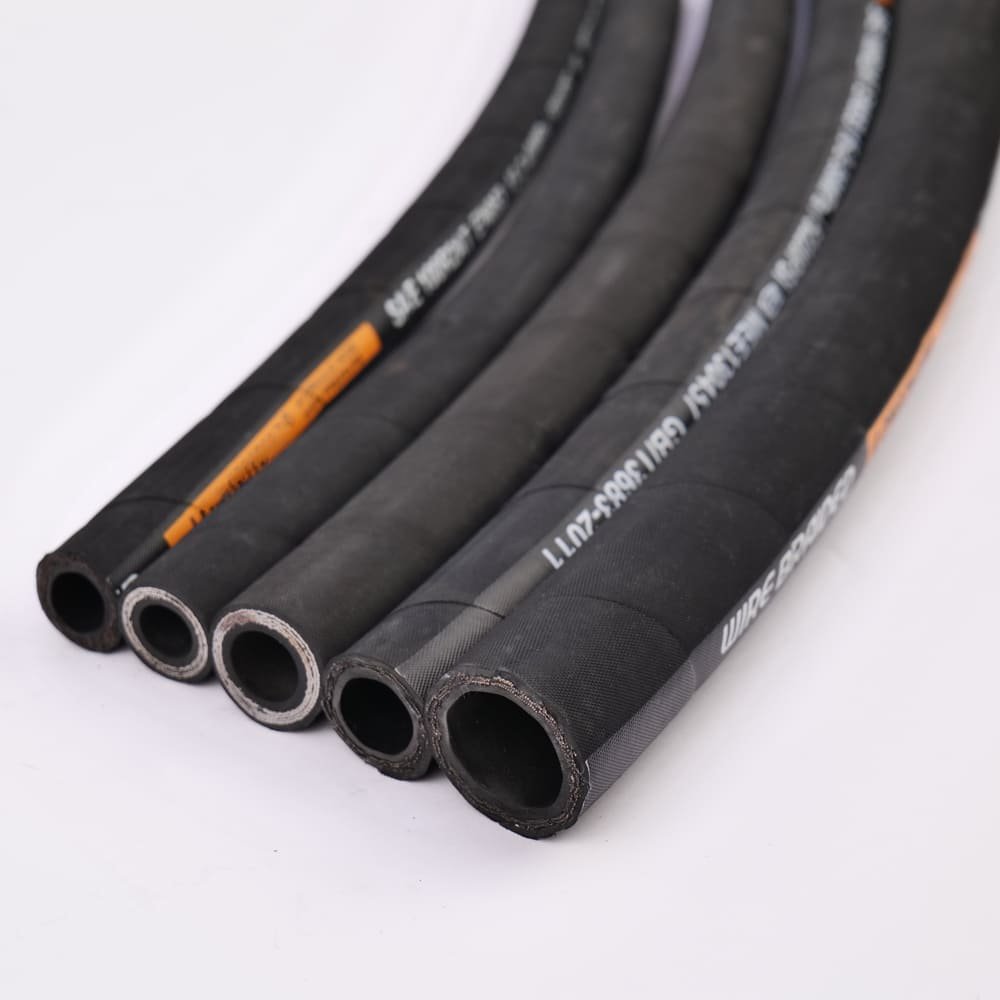
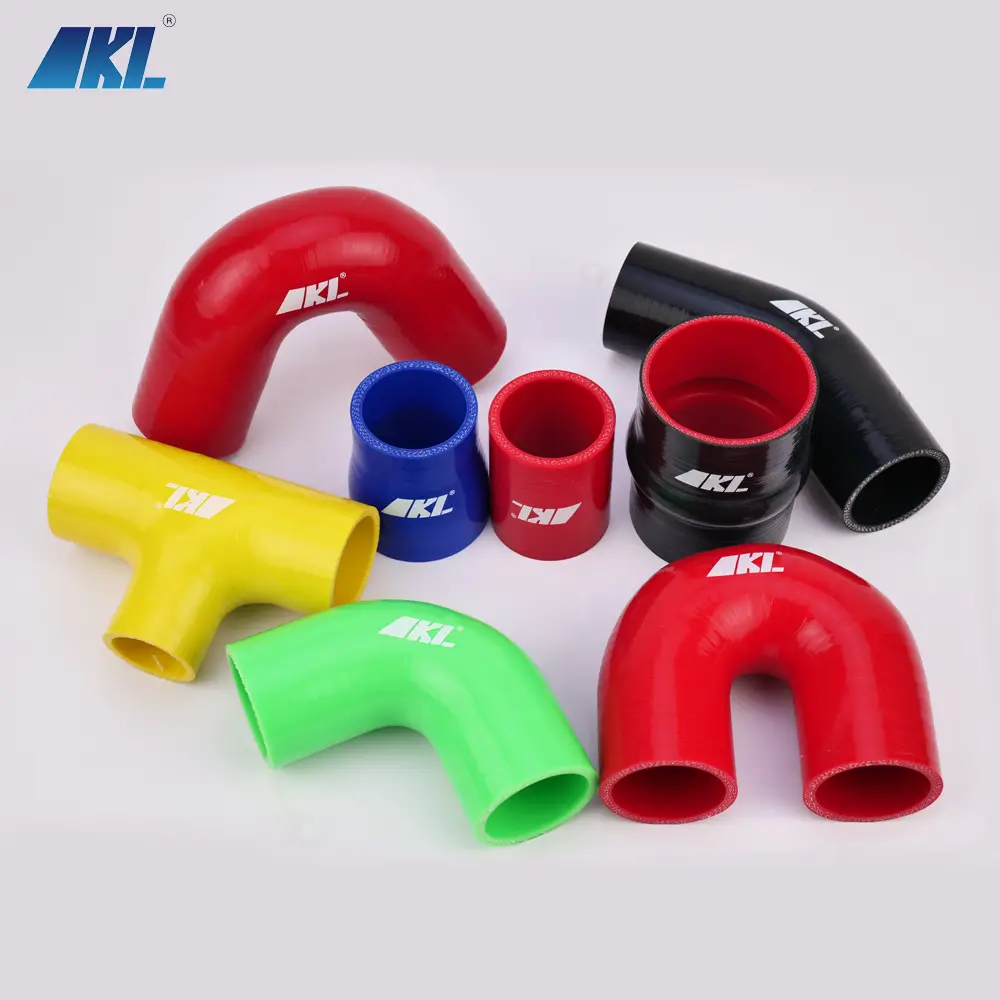
If you are just getting started with silikon hortumu, you may have numerous questions regarding its potential uses and applications. The content below primarily addresses common inquiries about silicone hose, including details on temperature, basınç, özelleştirme, ve uygulamalar, allowing you to quickly access the information you need. Should you have any further questions, please do not hesitate to contact us directly.
Q: Is a thicker silicone hose better? How to choose the thickness?
A: The thickness depends on the pressure and the specific application scenario.
Düşük basınçlı uygulamalar için: a wall thickness of 2–3 mm.
Yüksek basınçlı uygulamalar için: 4–6 mm (requiring a reinforcement layer).
One should consider both the operating pressure and temperature comprehensively, rather than focusing solely on the thickness.
Q: Is a larger diameter silicone hose better?
A: The diameter of the silicone tubing must be matched to your specific application.
If it is too large, it may result in poor sealing.
If it is too small, it may restrict flow.
Q: What temperature can silicone hoses handle?
A: We offer two types of fabric layer materials to choose from, each capable of withstanding different temperatures.
Polyester Fabric Layer: -40°C to +200°C
Aramid Fabric Layer: Up to 250°C
Q: What does a high quality silicone hose look like?
A: The inner and outer surfaces of the silicone tube are smooth; the wall thickness is uniform, free of bubbles, çatlaklar, or impurities; and the reinforcement layer is neat and evenly distributed.
Q: How to distinguish high quality silicone hoses?
A: Our silicone hose features exceptional flexibility and resistance to deformation, is free from pungent chemical odors, and possesses a uniformly distributed reinforcement layer, ensuring stable performance under conditions of high temperature and high pressure.
Q: Are cold air intake hoses and turbo hoses the same?
A: HAYIR.
- Cold air intake hose: alçak basınç, airflow use
- Turbo hose: yüksek baskı, yüksek sıcaklık, requires a reinforced structure
Q: Why use silicone hoses instead of rubber hoses?
A: Daha yüksek sıcaklık direnci
Longer service life
Resistance to UV, ozon, ve yaşlanma
More stable performance in extreme environments
Q: How should silicone hoses be installed?
A: Ensure that the silicone hose and clamp sizes are correctly matched.
Use appropriate clamps (E.G., T-cıvatası kelepçeleri).
Suplighting'den kaçının.
Keep connection surfaces clean and dry.
Q: How to cut silicone hoses?
A: Use a sharp blade or hose cutter to ensure a clean, straight cut. Avoid tearing or uneven edges.
Q: How to clean silicone hoses?
A: Please wash with warm water and a mild detergent.
Avoid contact with strong acids or solvents.
Allow to air dry completely before use.
Q: How do I know if I need custom silicone hoses?
A: You may need customization if:
- Standard sizes do not fit
- Special shapes (elbow/reducer) are required
- Branding or color is needed
Q: Can I choose custom colors?
A: Evet. Common colors: mavi, siyah, kırmızı
Custom colors are available based on Pantone or sample.