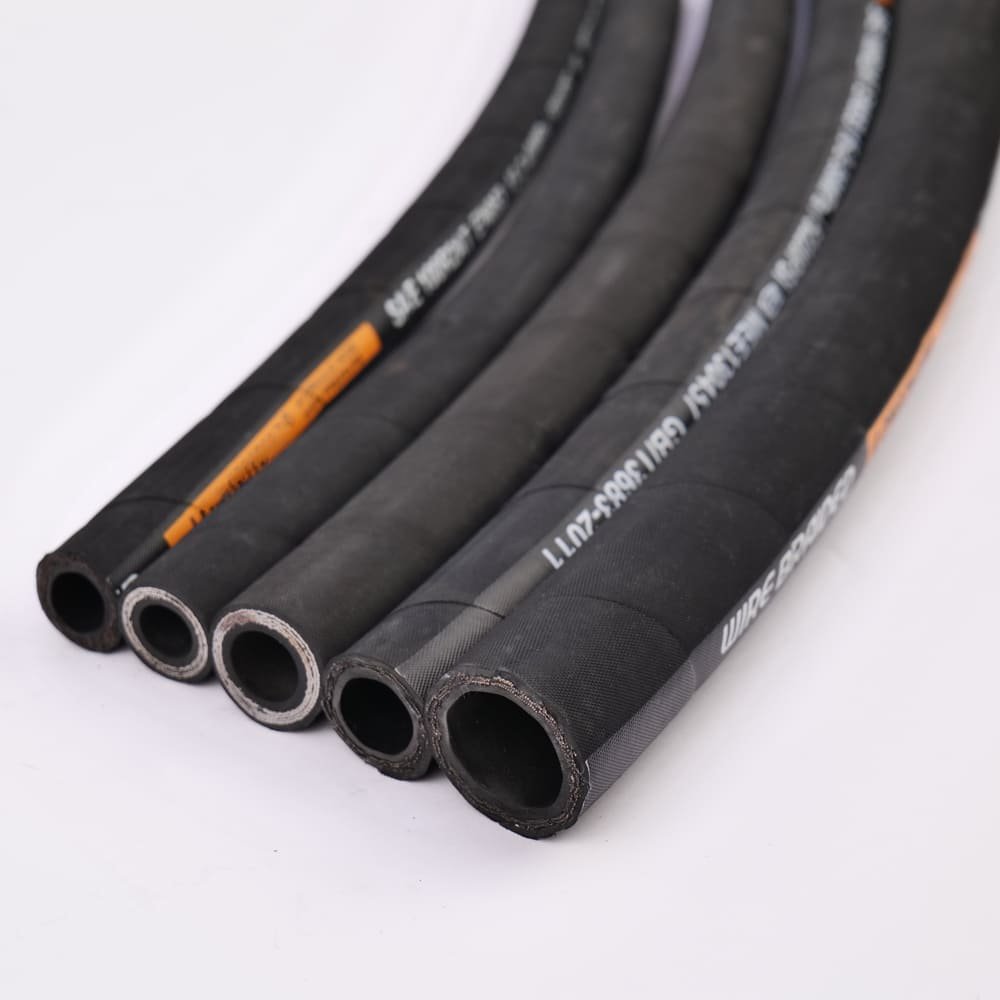
Choosing the right radiator hose material is important for your car’s performance and longevity. There are many materials to choose from, including rubber, ซิลิโคน, EPDM, และสแตนเลส. It can be overwhelming to make the right choice. ในคู่มือนี้, I’ll break down the best materials for radiator hoses, the pros and cons of each, and the key factors to consider. I’ll help you make an informed decision so you can order the right radiator hoses for your customers.
What is the Best Material for ท่อหม้อน้ำ?
Silicone and EPDM rubber are the two most popular materials used for radiator hoses. Silicone hoses are perfect for high-temperature applications because they can withstand heat, while EPDM rubber hoses provide a more cost-effective solution for standard water coolant systems. The choice depends on your specific needs and the environment you’re in.
The material you choose for your radiator hose can mean the difference between longevity and disaster. Let’s look at the options.
What are the different types of materials used for radiator hoses?
ท่อหม้อน้ำเป็นส่วนสำคัญของระบบระบายความร้อนของรถยนต์. It’s important to choose the right material for efficient cooling and long life. The most common materials are:
ท่อยาง :
ข้อดี: ยืดหยุ่นได้, คุ้มค่า, and easy to install. They have good resistance to coolants and adequate heat tolerance for standard vehicles.
Cons: Not as temperature resistant as other materials. They can break down over time when exposed to high temperatures and chemicals.
Silicone Hoses:
ข้อดี: Great heat resistance (สูงถึง 350 ° F/177 ° C), ความยืดหยุ่น, และชีวิตที่ยืนยาว. Silicone hoses are resistant to ozone, ยูวี, และสารเคมี, so they are perfect for high-performance and racing vehicles.
Cons: มีราคาสูงกว่าท่อยางและมีอัตราการซึมน้ำสูงกว่า. อาจไม่คงทนภายใต้แรงดันสูงหรือเมื่อสัมผัสกับน้ำมัน.
ท่อยาง EPDM:
ข้อดี: ทนต่อความร้อนได้สูง, สภาพอากาศ, และโอโซน. เหมาะสำหรับระบบทำความเย็นที่มีอุณหภูมิสูงถึง 150°C (300° F). มีความคุ้มค่าสำหรับการซื้อจำนวนมาก, ซึ่งเป็นสาเหตุที่ว่าทำไมพวกมันถึงได้รับความนิยมในรถมาตรฐาน.
Cons: พวกเขาไม่ใช่น้ำมัน- หรือทนต่อไฮโดรคาร์บอน, ซึ่งจำกัดการใช้งานในสภาพแวดล้อมบางอย่าง.
ท่อเสริมแรง:
ข้อดี: ประกอบด้วยวัสดุที่แตกต่างกันหลายชั้น (เช่น, ซิลิโคนที่มีเส้นใยโพลีเอสเตอร์หรือสแตนเลส), ท่อเหล่านี้มีความแข็งแรงที่เหนือกว่า, ความต้านทานแรงดัน, และความทนทาน.
Cons: มีราคาแพงกว่าและสามารถออกแบบทางวิศวกรรมมากเกินไปสำหรับการใช้งานในรถยนต์ทั่วไป.
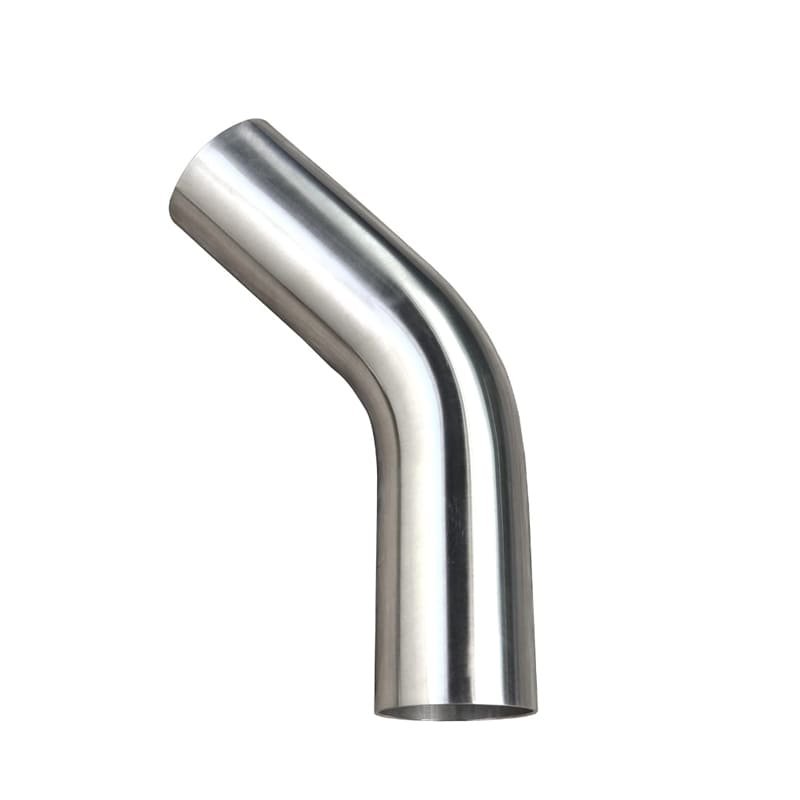
ท่อสแตนเลส:
ข้อดี: ทนทานเป็นพิเศษ, และสามารถรับความร้อนได้, ความดัน, และสารเคมี. เหมาะสำหรับรถยนต์สมรรถนะสูงหรืองานหนัก.
Cons: ไม่ยืดหยุ่นเท่ากับท่อยางหรือซิลิโคนและอาจติดตั้งได้ยากกว่า. มีราคาแพงกว่า.
ซึ่งดีกว่า: ท่อหม้อน้ำยางหรือสแตนเลส?
เมื่อคุณเลือกระหว่างท่อยางหม้อน้ำและท่อหม้อน้ำสแตนเลส, สิ่งสำคัญคือต้องคำนึงถึงสิ่งที่ระบบหม้อน้ำของคุณต้องการ:
- ท่อยาง: พวกเขาโค้งงอและติดตั้งได้ง่าย, ทำให้เหมาะสำหรับการใช้งานในรถยนต์เป็นประจำส่วนใหญ่. พวกเขายังถูกกว่าอีกด้วย.
- สท่อเหล็กสแตนเลส: มีความต้านทานแรงดึงและความทนทานมากขึ้น, ทำให้เหมาะสำหรับการใช้งานหนักหรือยานพาหนะที่ทำงานภายใต้สภาวะที่รุนแรง. อย่างไรก็ตาม, มีราคาแพงกว่าและต้องการการติดตั้งที่แม่นยำยิ่งขึ้น.
ซึ่งดีกว่า: EPDM หรือท่อหม้อน้ำซิลิโคน?
การเลือกใช้ท่อหม้อน้ำ EPDM และซิลิโคนขึ้นอยู่กับสภาพแวดล้อมการทำงาน:
- ท่ออีพีดีเอ็ม: เหมาะสำหรับการใช้งานระบบทำความเย็นส่วนใหญ่ที่อุณหภูมิต่ำกว่า 150°C (300° F). ราคาถูกกว่าและใช้งานได้ดีกับรถยนต์ทั่วไป.
- Silicone Hoses: เหมาะสำหรับการใช้งานที่มีอุณหภูมิสูงกว่า 150°C (300° F), เช่น ใกล้ท่อไอเสียหรือชิ้นส่วนเครื่องยนต์ร้อน. เหมาะสำหรับรถยนต์สมรรถนะสูงและรถแข่ง แต่อาจไม่จำเป็นสำหรับรถทั่วไป.
ปัจจัยที่ต้องพิจารณาเมื่อเลือกวัสดุท่อหม้อน้ำ
เมื่อคุณเลือกวัสดุท่อหม้อน้ำ, มีบางสิ่งที่คุณควรพิจารณา.
- ความต้านทานอุณหภูมิ: วัสดุจะต้องสามารถทนความร้อนของเครื่องยนต์ได้โดยไม่ทำให้กระจุย.
- ความทน: วัสดุท่อควรสามารถทนต่อการสึกหรอได้, โอโซน, และสิ่งแวดล้อม.
- ความยืดหยุ่น: พิจารณาว่าติดตั้งง่ายเพียงใด และสามารถรองรับแรงสั่นสะเทือนและการเคลื่อนไหวได้ดีเพียงใด.
- ความเข้ากันได้กับสารหล่อเย็น: ตรวจสอบให้แน่ใจว่าวัสดุใช้งานได้กับประเภทของสารหล่อเย็นที่ใช้ในยานพาหนะ.
- มาตรฐานอุตสาหกรรม: การปฏิบัติตามมาตรฐานยานยนต์ทำให้มั่นใจในความปลอดภัยและความน่าเชื่อถือ.
- Cost-Effective: You want a good balance between quality and price, especially if you’re buying a lot of them.
สรุป
When it comes to picking the right radiator hose material, you need to consider things like temperature resistance, ความทน, and cost. For distributors, knowing your options is crucial to meeting customer demand and staying competitive. Whether it’s silicone for high-performance applications or EPDM for regular cooling systems, the right choice can make a big difference in vehicle performance and customer happiness.