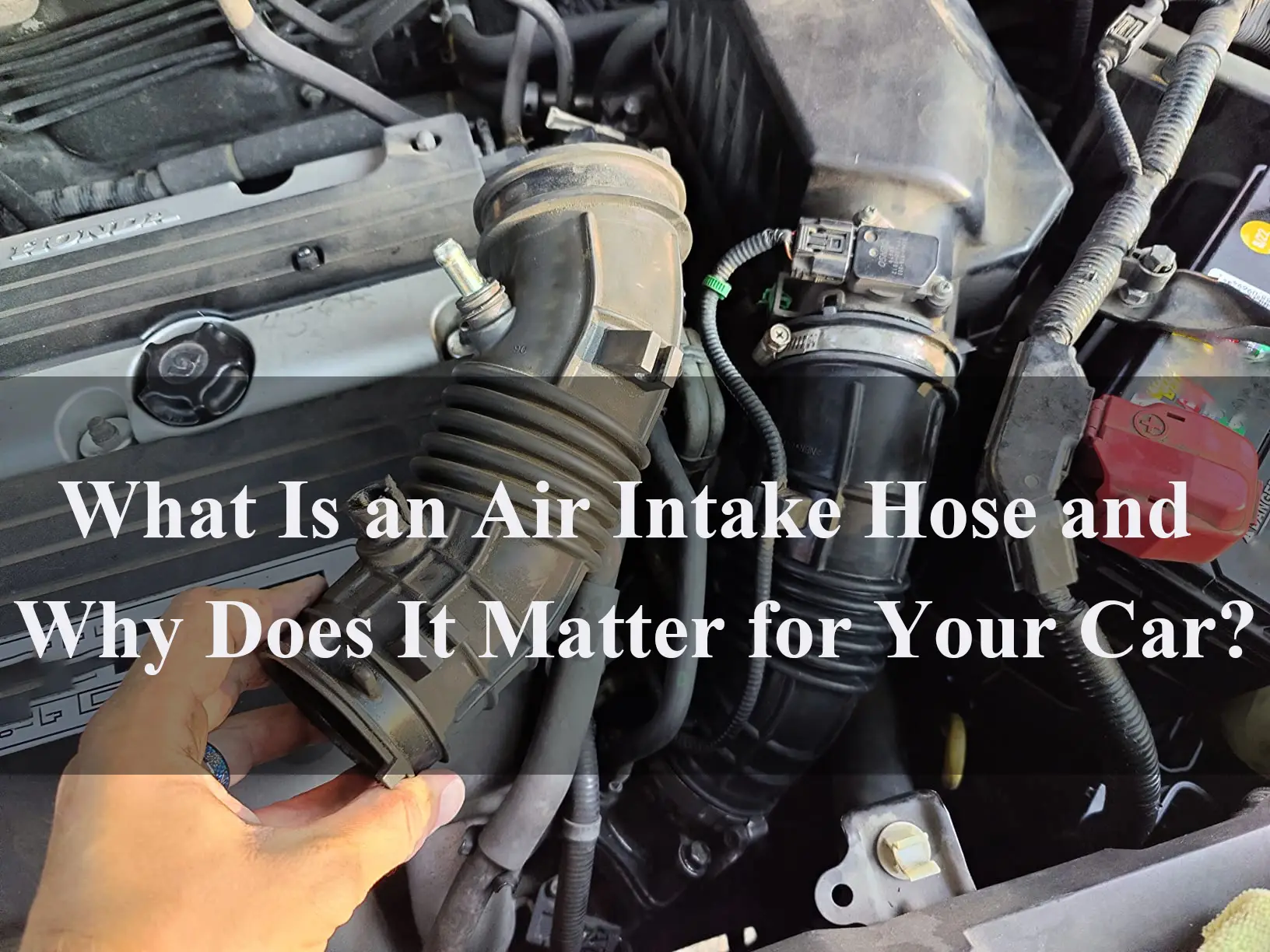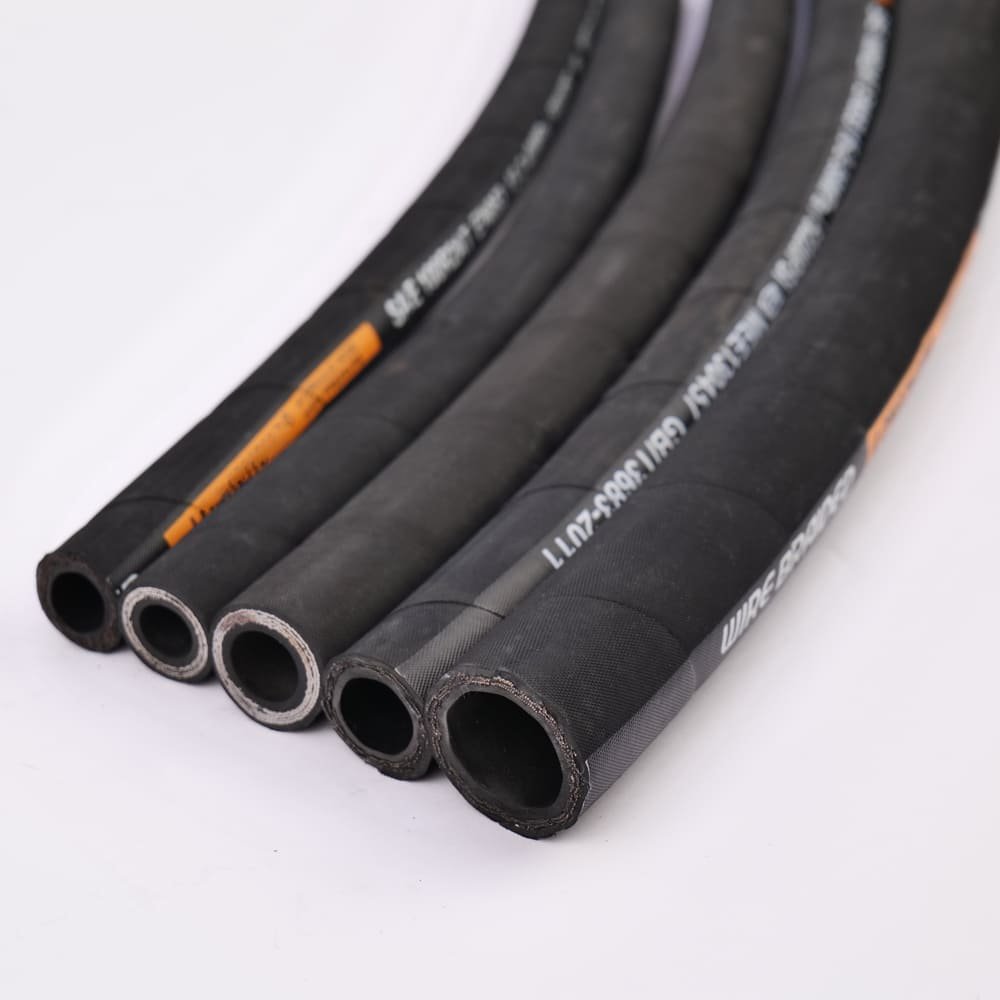
Węże gumowe EPDM stanowią kluczowy element wielu zastosowań przemysłowych i są cenione ze względu na swoją trwałość, elastyczność, i odporność na trudne warunki środowiskowe. Jako profesjonaliści i dystrybutorzy, znajomość właściwości i zalet węży gumowych EPDM może pomóc w podejmowaniu świadomych decyzji i zapewnianiu klientom lepszych produktów. Ten przewodnik poprowadzi Cię przez tajniki węży gumowych EPDM, łącznie z ich zastosowaniami, zalety, jak są zrobione, i więcej.
EPDM (Monomer etylenowo-propylenowo-dienowy) Węże gumowe są szeroko stosowane w zastosowaniach przemysłowych, ponieważ są odporne na działanie środków chemicznych, Promienie UV, i ekstremalne temperatury. Są twarde, elastyczny, i idealnie nadaje się do zastosowań, w których potrzebny jest wąż, który będzie trwały i trwały, szczególnie w środowiskach narażonych na działanie czynników atmosferycznych, ciepło, i substancje korozyjne.
Teraz, gdy omówiliśmy podstawy, przejdźmy do konkretnych korzyści, aplikacje, i wyzwania związane z wężami gumowymi EPDM.
Do czego służy wąż EPDM?
Węże gumowe EPDM świetnie sprawdzają się w każdych warunkach. Radzą sobie z kwasami, żrące, i trudne warunki pogodowe. Dzięki temu idealnie nadają się do wielu zastosowań przemysłowych. Niezależnie od tego, czy poruszasz wodę, para, lub chemikalia, Węże EPDM są wytrzymałe i odporne na rozdarcie, więc wytrzymają i będą pracować w trudnych warunkach.
Do czego ludzie używają węża gumowego EPDM?
Węże gumowe EPDM znajdują zastosowanie w wielu różnych gałęziach przemysłu. Stosowane są w przemyśle motoryzacyjnym na przewody do chłodnic i nagrzewnic. Stosowane są w budownictwie na węże wodne i parowe. Wykorzystuje się je w przemyśle chemicznym do transportu materiałów korozyjnych. Wykorzystuje się je także do zastosowań zewnętrznych, such as garden hoses because they are resistant to weathering and UV rays.
EPDM Rubber Hose Specifications
EPDM rubber hoses come in many different specifications, depending on the application. They are available in different sizes, długości, and thicknesses, with different temperature ranges. Typically, these hoses can operate in temperatures ranging from -40°C to 150°C, which makes them good for both hot and cold environments. The specific chemical resistance and pressure ratings will also vary depending on the formulation.
Manufacturing Process of Automobile EPDM Rubber Hoses
The manufacturing process of EPDM rubber hoses for automobiles consists of several critical steps to ensure the hoses meet the strict requirements of the automotive industry. These steps are designed to produce hoses that are durable, heat resistant, and able to withstand the tough conditions under the hood of a car.
Compound Mixing
The first step in the process is preparing the EPDM rubber compound. This means mixing ethylene, propylene, and a diene monomer with various additives. These additives might include fillers (like carbon black), processing oils, curing agents, and stabilizers. It’s important to get the right combination of these things to make sure the final product is flexible, odporny na ciepło, i trwałe.
This mix is blended in big industrial mixers, making sure it’s all mixed together and easy to process in the next steps. The quality of the mix is really important because it affects how the hose performs when it’s all done.
Wyrzucenie
After the EPDM rubber compound is ready, it gets extruded into the shape of a hose. Wytłaczanie polega na przepychaniu mieszanki gumowej przez matrycę o kształcie i rozmiarze węża. Do węży samochodowych, proces wytłaczania musi być dokładny, aby mieć pewność, że wąż ma tę samą grubość ścianki i średnicę na całej długości węża.
Podczas wytłaczania, mieszanka EPDM jest nadal miękka i giętka, co ułatwia kształtowanie w razie potrzeby skomplikowanych profili. Jest to ważne w przypadku węży, które muszą pasować do ciasnych przestrzeni lub muszą być zginane w określony sposób.
Wzmocnienie
Aby wąż był mocniejszy i trwalszy, często dodaje się warstwę zbrojenia. Zwykle obejmuje to owijanie lub zwijanie materiałów, takich jak włókna poliestrowe lub aramidowe, wokół wyciśniętej gumy. Czasami, Drut służy do dodatkowego wzmocnienia, gdy wąż będzie używany do zastosowań wysokociśnieniowych.
Wzmocnienie zapewnia wężowi dodatkową wytrzymałość, dzięki czemu może on wytrzymać ciśnienia i naprężenia występujące w zastosowaniach motoryzacyjnych. Ten krok jest szczególnie ważny w przypadku węży używanych w krytycznych układach, takich jak chłodnice lub przewody paliwowe.
Odnalezienie (Wulkanizacja)
Po wytłoczeniu i wzmocnieniu węża, przechodzi proces utwardzania zwany wulkanizacją. Wulkanizacja to proces chemiczny, podczas którego guma EPDM jest podgrzewana do określonej temperatury, zwykle od 150°C do 200°C, z utwardzaczem, zwykle siarka. Proces ten sieciuje łańcuchy polimerowe w gumie, nadając wężowi ostateczne właściwości fizyczne, takie jak elastyczność, Odporność na ciepło, i wytrzymałość mechaniczną.
Utwardzanie można przeprowadzić w autoklawie (piekarnik ciśnieniowy) or by continuous vulcanization, depending on the design and requirements of the hose. The time and temperature of the curing process are carefully controlled to achieve the desired performance characteristics.
Post-Curing Operations
After curing, additional processing may be done to customize the hoses. This can include cutting the hoses to specific lengths, adding fittings or connectors, or applying coatings to enhance chemical resistance or reduce friction. Quality control tests are also conducted to make sure the hoses meet industry standards and specifications.
Inspection and Testing
Before the hoses are approved for use in automotive applications, they go through a bunch of inspections and tests. They test the hoses for tensile strength, elongation, Odporność na ciepło, odporność na ciśnienie, i elastyczność. If there are any defects or if the hoses don’t meet the required specifications, they will be rejected.
Automotive EPDM hoses are also tested for their ability to resist aging, ozon, i chemikalia. These tests ensure that the hoses will perform reliably for the life of the vehicle, even in tough conditions.
Comparison of EPDM with Other Rubber Materials
EPDM is great because it’s better than most other rubbers at resisting weather, ozon, and UV. It’s not as good as neoprene at resisting oil and solvents, but if you need to make sure your rubber doesn’t die from the environment, EPDM is your best bet. It’s also cheap and can handle a wide range of temperatures, so it’s used in a lot of different industries.
Environmental Impact of EPDM Rubber Hoses
EPDM rubber is environmentally friendly. It is recyclable and can be made into many different products, which reduces waste and is good for the environment. Również, making EPDM rubber usually uses fewer bad chemicals than other kinds of rubber, so it’s safer for the people who make and use it.
Applications of EPDM Rubber Hoses in Various Industries
EPDM rubber hoses are used in a variety of industries, w tym motoryzacyjny, budowa, and chemical processing. W branży motoryzacyjnej, they are crucial for cooling systems and air intake components, providing reliability and durability in extreme conditions. In construction, EPDM hoses are used for water and steam handling, offering long-lasting performance in harsh environments. The chemical industry relies on EPDM hoses for safely transporting acids and other corrosive substances, taking advantage of their chemical resistance.
EPDM rubber hoses are also used in other sectors, such as agriculture, where they are used for irrigation and spray systems. Their ability to withstand a wide range of temperatures and exposure to UV radiation makes them ideal for outdoor applications. Dodatkowo, EPDM hoses are used in the marine industry, where their resistance to saltwater and weathering ensures long-term durability.
Streszczenie
EPDM rubber hoses are a critical component in many industrial applications, providing excellent durability, elastyczność, and resistance to harsh environmental conditions. Their versatility, combined with their cost-effectiveness and environmental benefits, makes them a great choice for industry professionals and distributors. Understanding the unique characteristics and applications of EPDM rubber hoses, particularly in the automotive industry, will help you better serve your customers and choose the right products for your needs.