Hos getah adalah komponen kritikal dalam dunia automotif dan perindustrian, berfungsi sebagai laluan penting untuk cecair dan gas. Memahami pelbagai jenis dan bahan serta menyelenggara hos ini adalah penting. Dalam panduan lengkap ini, kami akan membincangkan semua yang anda perlu tahu tentang hos getah, daripada struktur asas mereka kepada memilih yang sesuai untuk keperluan anda.
Apa Itu Hos Getah?
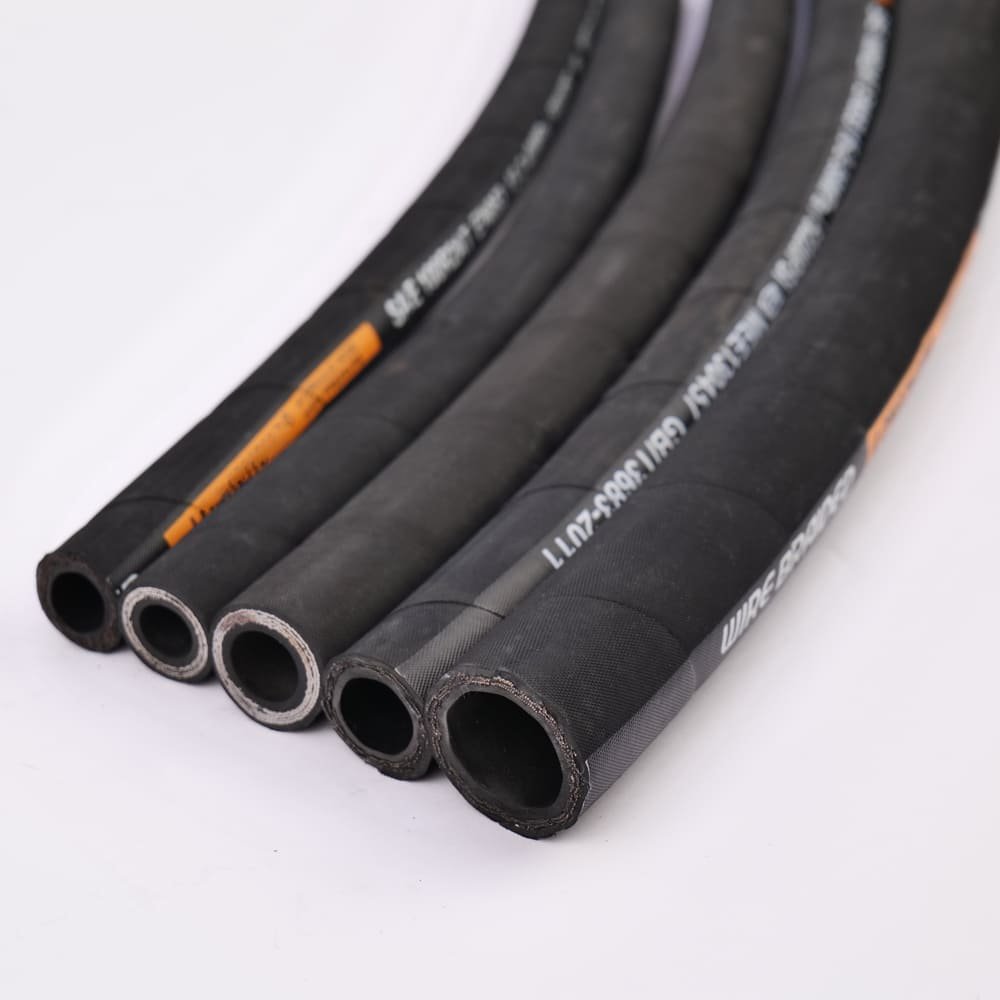
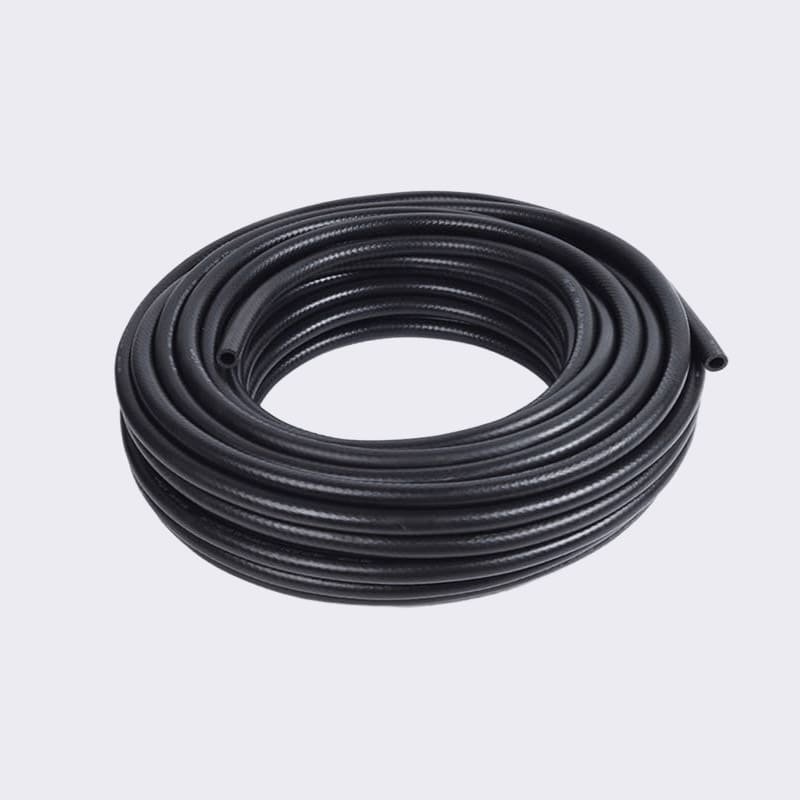
Hos getah ialah tiub fleksibel yang diperbuat daripada getah asli atau sintetik. Mereka direka untuk memindahkan cecair, gas, atau bahan berbutir dan digunakan dalam banyak industri yang berbeza. Mereka mempunyai tiub dalam, lapisan tetulang, dan penutup luar, masing-masing mempunyai tujuan tertentu untuk menjadikan hos tahan lama, Bend, dan tahan persekitaran.
Jenis Biasa Hos Getah Kereta:
Dalam industri automotif, terdapat beberapa jenis hos getah, termasuk:
- Hos radiator: Hos ini membawa penyejuk dari enjin ke radiator dan belakang, membantu memastikan enjin sejuk.
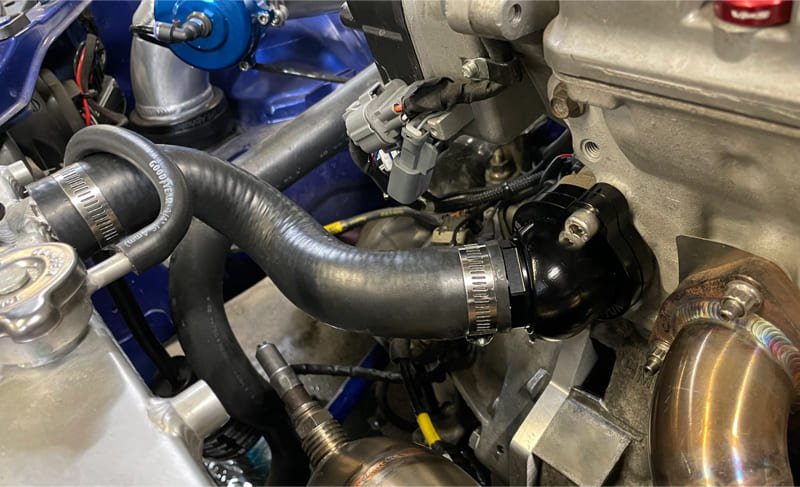
- Hos Penyejuk: Digunakan untuk pengangkutan cecair penyejuk.
- Hos Bahan Api: Direka untuk membawa petrol atau diesel.
- Hos Brek: Penting untuk sistem brek hidraulik.
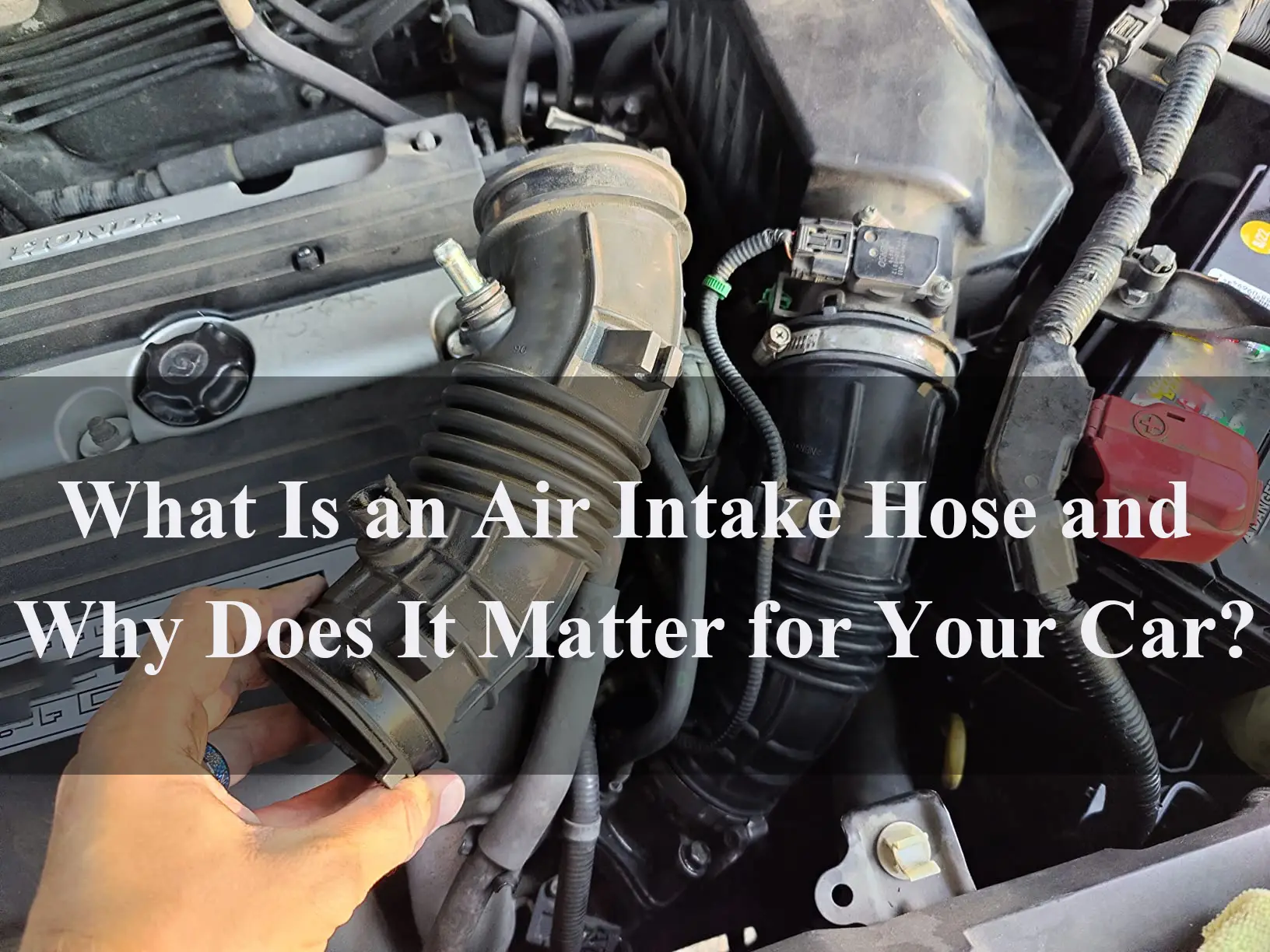
- Hos Pengambilan Udara: Menghantar udara ke enjin.
Setiap hos dibina untuk memenuhi spesifikasi tertentu, seperti tekanan, suhu, dan rintangan kimia.
Bahan yang Digunakan dalam Hos Getah
Hos getah diperbuat daripada pelbagai bahan. Setiap bahan mempunyai ciri khasnya sendiri, yang menjadikannya sesuai untuk kegunaan yang berbeza. Berikut adalah beberapa bahan yang paling biasa digunakan untuk membuat hos getah:
- Getah Asli
Hartanah: Keanjalan yang sangat baik, rintangan haus dan lusuh yang baik, dan lekatan yang baik pada bahan lain.
Aplikasi: Digunakan dalam hos tujuan umum untuk udara, air, dan beberapa bahan kimia ringan. - EPDM
Hartanah: Boleh tahan suhu tinggi, ozon, luluhawa, dan penuaan. Kekal fleksibel dalam suhu sejuk.
Aplikasi: Digunakan untuk hos kereta, termasuk penyejuk dan hos radiator, dan untuk hos air dan wap. - NBR
Hartanah: Rintangan tinggi terhadap minyak, bahan api, dan produk berasaskan petroleum lain. Rintangan lelasan yang baik.
Aplikasi: Digunakan dalam hos bahan api dan minyak dan hos hidraulik.
Bahan-bahan ini sering dipilih kerana ia mempunyai sifat khusus yang diperlukan untuk aplikasi, seperti ketahanan terhadap haba, bahan kimia, minyak, melecet, dan persekitaran. Kadangkala hos diperbuat daripada gabungan bahan untuk mendapatkan sifat-sifat yang diperlukan.
Petua Penyelenggaraan untuk Hos Getah Automotif
Penyelenggaraan hos getah automotif yang betul adalah penting untuk memastikan jangka hayat dan prestasinya. Berikut adalah beberapa petua utama:
- Pemeriksaan Berkala: Periksa hos untuk keretakan, kebocoran, dan pakai selalu.
- Penyimpanan yang Betul: Simpan hos jauh dari cahaya matahari langsung dan suhu yang melampau.
- Penggantian tepat pada masanya: Gantikan hos yang menunjukkan tanda-tanda penuaan atau kerosakan untuk mengelakkan kegagalan.
Penggunaan Hos Getah Automotif
Hos getah automotif digunakan dalam pelbagai aplikasi, termasuk:
- Sistem Penyejukan: Ini digunakan untuk mengangkut penyejuk antara enjin dan radiator.
- Sistem Bahan Api: Membawa bahan api dari tangki ke enjin.
- Sistem Pengambilan Udara: Memastikan enjin mendapat udara bersih.
- Sistem Hidraulik: Menghantar bendalir hidraulik dalam sistem brek dan stereng.
Pembuatan dan Bahan Hos Getah Automobil
Apabila membuat hos getah untuk kereta, anda memilih bahan yang betul, mix them to get the properties you want, and then extrude, braid, and vulcanize the hose. The process is designed to make sure the hose bends the right way, is strong enough, and doesn’t fall apart when exposed to the environment.
Factors Affecting the Life of Automobile Hoses
Several factors can impact the life of automobile hoses:
- Temperature: High temperatures can accelerate the degradation of the hose material.
- Pressure: Too much pressure can make the hose burst or crack.
- Chemical Exposure: When hose material gets in touch with chemicals like oil or coolant, it can get weaker over time.
How to Choose the Right Rubber Hose According to Your Needs?
When selecting a rubber hose, pertimbangkan faktor berikut:
- Permohonan: Identify the main purpose of the hose (mis., bahan api, penyejuk, udara).
- Material Compatibility: Make sure the hose material is compatible with the fluids or gases it will carry.
- Pressure and Temperature Ratings: Look at the hose’s specifications to match the working conditions of your application.
Common Defects in Rubber Hoses
Some common defects in rubber hoses include:
- Cracking: This happens when the hose is exposed to high temperatures or UV light.
- Blistering: This can occur when there are chemical reactions inside the hose.
- Leaks: This is usually caused by wear and tear or incorrect installation.
When to Replace vs. Repair a Rubber Hose
Dalam kebanyakan kes, it’s better to replace a damaged rubber hose than to try to fix it. Repairs are often temporary and can fail under pressure, causing expensive damage. Replacing the hose ensures it will work safely and properly.
How Long Is the Service Life of Automotive Rubber Hoses?
Most manufacturers recommend replacing automotive rubber hoses every four years, although this can vary based on usage, environmental conditions, and the specific application. Regular inspections are essential to determine the hose’s condition and prevent failures.
How to Maintain Automotive Rubber Hoses?
To keep your car’s rubber hoses in good shape for as long as possible, you need to take care of them. Here are some tips on how to do that:
Regularly Look at It
- Check for Cracks and Wear: Regularly look at your hoses to see if they have cracks, pakai, or surface damage. Cracks will often appear on the outside of the hose and are an indication that the hose is getting old or is starting to break down.
- Look for Leaks: Cari sebarang tanda cecair bocor di sekitar sambungan hos, pengapit, atau hos itu sendiri. Kebocoran kecil pun boleh bertukar menjadi masalah besar jika ia tidak diuruskan dengan segera.
- Periksa Sambungan Hos: Pastikan pengapit hos ketat dan tiada bukti ia tergelincir atau tidak duduk dengan betul.
Periksa Bengkak atau Bintik Lembut
- Rasa Hos: Perlahan-lahan picit hos untuk memeriksa bintik-bintik lembut. Tompok lembut boleh menunjukkan kemerosotan dalaman. Bengkak juga boleh menunjukkan bahawa bahan hos mungkin bertindak balas dengan cecair yang dibawanya, yang boleh melemahkannya.
- Bandingkan dengan Hos Baru: kalau boleh, bandingkan rasa hos dengan yang baru. Jika anda perasan sebarang perbezaan dalam fleksibiliti atau tekstur, anda mungkin perlu menggantikannya.
Kekalkan Tekanan yang Betul
- Elakkan Tekanan Berlebihan: Ensure the hose is operating within its specified pressure range. Over-pressurization can cause bulging, weakening, and ultimately, hose failure.
- Check System Pressure Regularly: If your vehicle has a pressure gauge, monitor it regularly to ensure the system is not over-pressurizing the hoses.
Keep Hoses Clean
- Wipe Down Hoses: Wipe down hoses regularly to remove dirt, grease, and debris that can cause abrasion or hide signs of damage. Use a mild detergent and water to clean.
- Inspect After Cleaning: After you clean the hoses, take a close look at them to see if there’s any hidden damage or wear.
Replace Old Hoses
- Follow the Manufacturer’s Guidelines: Replace hoses as often as the manufacturer suggests, even if they still look good. Rubber breaks down over time, so it’s better to be safe than sorry.
- Replace Them All at Once: If one hose in a system is worn out, consider replacing all of them at the same time. The others may be close to wearing out, too.
Don’t Bend or Twist Too Much
- Right Way: Make sure you don’t bend or twist hoses too much. That can create stress points and cause them to fail early.
- Use Guides: If you need to, put in hose guides or brackets to keep hoses in the right place and stop them from bending or rubbing against other parts.
Look for Rubbing and Scraping
- Look at Places Where Things Touch: See where hoses might rub against other things. Rubbing can wear away the hose material, which can cause leaks or breaks.
- Put on Sleeves: Use sleeves or wraps that are tough enough to rub on hoses that touch other things to keep them from wearing out.
Test for Leaks Periodically
- Check During Routine Maintenance: You want to incorporate leak testing into your regular maintenance schedules, especially for critical systems like brakes and cooling.
- Change Fluids Regularly: Regularly change fluids to prevent contamination and buildup that can damage hoses.
Replace the rubber hose regularly
- Replace When It Looks Old: If a hose looks old (retak, keras), replace it even if it hasn’t failed.
- Carry Spares: For critical hoses, especially on off-road or long-distance trips, carry spare hoses and the tools to replace them.
By following these maintenance tips, you can help ensure that your rubber hoses stay in good shape, reduce the risk of unexpected failures, and extend the life of your vehicle’s systems. Regular maintenance and timely replacement are key to preventing expensive repairs and keeping your vehicle safe.
Kesimpulan
Rubber hoses are an important part of the automotive industry. Knowing the different types of hoses, the materials they’re made of, and how to maintain them is critical for getting the best performance and longest life out of them. By choosing the right hose for your needs and taking care of it, you can prevent expensive repairs and keep your systems running smoothly.