호스 클램프는 호스를 피팅이나 커넥터에 고정하고 고정합니다.. 이는 안전한 연결을 보장하고 호스가 미끄러지거나 새는 것을 방지하는 데 도움이 됩니다.. 이 가이드에서는, 호스 클램프를 효과적으로 사용하는 방법에 대한 단계를 설명하겠습니다., 기본부터 고급 팁까지 모든 것.
사용하려면 호스 클램프, 가장 먼저 하고 싶은 일은 클램프를 호스 위로 밀어서 필요한 위치에 놓는 것입니다.. 그 다음에, 드라이버나 펜치로 클램프를 조이려는 경우, 꽉 조여졌는지 확인하기, 하지만 너무 빡빡하진 않아. 보유하고 있는 클램프 유형에 따라 (웜기어 클램프나 스프링 클램프와 같은 것), 좋은 밀봉을 얻으려면 메커니즘이나 장력을 조정해야 할 수도 있습니다.. 마지막으로, 클램프를 조인 후, 누출이 없는지 확인하세요.
이제 기본적인 내용은 대략적으로 이해하셨으니, 다양한 유형의 호스 클램프와 용도에 적합한 호스 클램프를 선택하는 방법을 살펴보겠습니다., 일반적인 실수를 해결할 뿐만 아니라.

스프링 호스 클램프는 어떻게 작동합니까??
스프링 호스 클램프는 스프링 장력을 활용하여 호스를 제자리에 단단히 고정한다는 점에서 독특합니다.. 이 클램프의 열린 끝은 스프링의 장력에 의해 함께 고정됩니다.. 탭을 눌렀을 때, 클램프가 넓어진다, 호스 위에 놓을 수 있게 해주세요. 일단 출시되면, 스프링 장력이 자동으로 압축을 적용합니다., 호스를 제자리에 단단히 고정.
이 클램프는 유연한 연결에 자주 사용됩니다., 특히 압력 변화로 인해 호스가 팽창하거나 수축할 수 있는 응용 분야에서. 설치가 쉽습니다., 제거하다, 조정하고
호스 클램프의 종류는 무엇입니까??
호스 클램프에는 다양한 유형이 있습니다., 각각 다른 용도에 적합. 가장 일반적인 클램프는 다음과 같습니다.:
- 웜기어 클램프: 가장 일반적으로 사용되는 클램프이며 나사 메커니즘이 있는 금속 밴드가 있습니다.. 나사를 조여 호스 주위에 압력을 가하기만 하면 됩니다..
- 스프링 클램프: 이러한 디자인은 스프링 메커니즘과 함께 제공되며 유연한 호스에 가장 적합합니다.. 압력이 증가함에 따라, 호스 크기에 맞게 자동으로 조정됩니다..
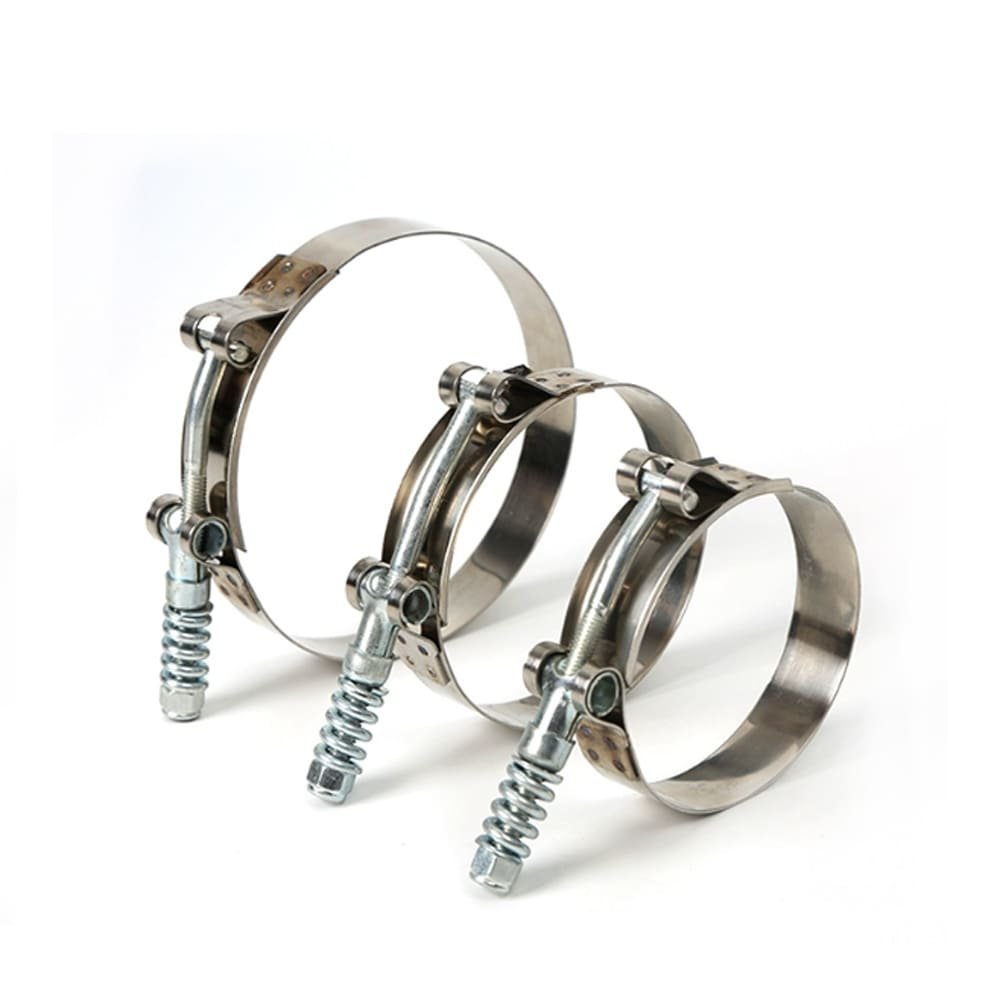
- t-폴트 클램프: 이는 보다 안전한 씰이 필요한 고압 응용 분야에 사용됩니다.. T-볼트를 사용하면 더 넓은 표면적에 걸쳐 균일하게 조일 수 있습니다..
호스 클램프를 올바르게 조이는 방법?
호스 클램프를 올바르게 조이면 호스가 손상되지 않고 제자리에 고정됩니다.. 다음을 따르세요 5 단계:
- 클램프 위치 지정: 호스 주위에 호스 클램프를 놓고 밀봉하려는 위치에 놓습니다..
- 클램프를 조이세요: 드라이버를 사용하세요, 렌치, 또는 펜치로 클램프를 꼭 맞으면서도 너무 조이지 않을 때까지 조이세요.. 너무 세게 조이면 호스가 손상되거나 누출이 발생할 수 있습니다..
- 누출 확인: 한번 조이면, 시스템에 압력을 가하여 호스에 누출 징후가 있는지 확인하십시오..
- 필요한 경우 조정하세요.: 누출을 발견한 경우, 클램프를 풀고 다시 조이기 전에 위치를 바꾸세요..
- 클램프가 제대로 고정되었는지 확인하세요.: 클램프가 중앙에 있고 호스 주위에 고르게 조여졌는지 다시 확인하세요..
웜기어 호스 클램프를 사용하는 방법
웜 기어 호스 클램프는 자동차 및 배관 응용 분야에 사용되는 가장 일반적인 유형입니다.. 사용 방법은 다음과 같습니다.:
- 호스에 클램프를 끼우세요: 호스에 클램프를 놓고 원하는 위치로 밀어 넣으세요..
- 나사를 조이세요: 클램프가 호스에 꼭 맞을 때까지 드라이버를 사용하여 나사를 조입니다..
- 꽉 조여져 있는지 확인하세요: 호스가 새지 않도록 클램프가 충분히 조여져 있는지 확인하십시오., 그러나 너무 세게 조여서 호스를 손상시키지 마십시오..
웜 기어 클램프는 안정적이고 사용하기 쉽습니다., 대부분의 표준 응용 분야에 완벽하게 적합.
느슨한 호스 클램프를 고치는 방법?
호스 클램프가 느슨해져 누출이 발생하는 것을 발견한 경우, 당신이 할 수 있는 일은 다음과 같습니다:
- 클램프를 풀어주세요: 필요한 경우, 드라이버나 펜치를 사용하여 클램프를 느슨하게 하세요..
- 클램프 위치 변경: 호스 중심에 오도록 클램프를 이동합니다., 균일한 밀봉 보장.
- 클램프를 조이세요: 조심스럽게 클램프를 다시 조이세요, 꼭 맞지만 너무 빡빡하지 않은지 확인하세요.
호스의 마모 여부를 점검하는 것이 중요합니다., 손상된 호스는 클램프를 조여도 제대로 밀봉되지 않을 수 있습니다..
호스 클램프 사용 시 흔히 저지르는 실수와 이를 방지하는 방법
- 너무 많이 조이는 중: 나사가 단단히 고정되었는지 확인하기 위해 나사를 세게 조이고 싶지는 않습니다., 호스나 클램프가 손상되어 누출이 발생할 수 있기 때문입니다.. 작업을 완료하기 전에 점진적으로 조이고 누출 여부를 확인하고 싶습니다..
- 잘못된 클램프 사용: 다양한 용도에 따라 다른 종류의 클램프가 필요할 수 있습니다.. 고압 씰을 만들려고 하고 스프링 클램프를 사용하는 경우, 웜기어 클램프만큼 작동하지 않을 수도 있습니다.. 용도에 맞게 올바른 클램프를 사용해야 합니다..
- 누출 여부를 확인하지 않음: 호스 클램프를 장착한 후, 누출 여부를 확인해야 합니다. 클램프를 충분히 조이지 않은 경우, 또는 호스가 손상된 경우, 누출될 거야. 사용 전 확인이 필요해요.