שימוש לא נכון במלחצי התקנה הוא אחד הגורמים הנפוצים ביותר לזמן השבתה יקר בציוד כבד. אם לא מסומן, דליפות עלולות להזיק למכונות ולסכן את המפעילים. ניתן למנוע את רוב התקלות אם משתמשים במהדקים בצורה נכונה.
כדי למנוע תקלות בצינור הידראולי, מהדקי צינור חייבים להיות מותקנים באופן שווה סביב הצינור והאביזר, ללא חוסר התאמה או חפיפה. זה מחלק את הלחץ באופן שווה, מזעור דליפות ונזקים. לכל סוג מהדק יש הגדרת מומנט מומלצת; הידוק יתר או הידוק נמוך מגביר את הסיכון לכישלון. בדיקות סדירות ועמידה בתקני הבטיחות של OSHA מבטיחים אמינות לטווח ארוך.
הבנת סוגי מהדקי צינורות, סטנדרטים, ושיטות עבודה מומלצות יכולות להיות ההבדל בין כספת, מערכת יעילה וכישלון יקר. בואו נחקור נקודות מפתח שכל מפעיל צריך לדעת.
האם ניתן להשתמש במלחצי צינור על צינורות הידראוליים?
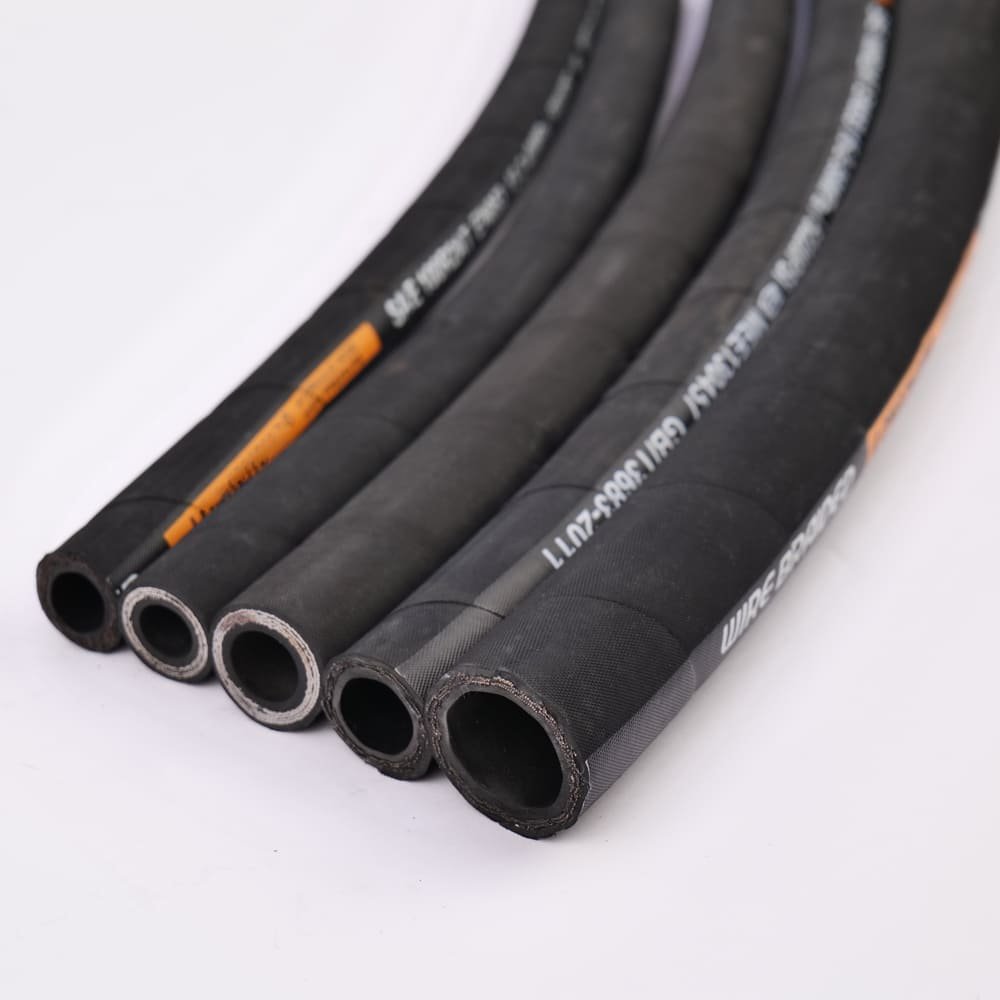
צינורות הידראוליים בקווי ייצור של ציוד כבד יכול להגיע ללחצים של אלפי PSI, עולה בהרבה על היכולות של מלחציים סטנדרטיים לרכב. זה מעלה את השאלה האם מהדק פשוט חזק מספיק כדי לעמוד בלחצים הגבוהים הללו.
התשובה היא כן, אבל לא כל מהדקי הצינור יכולים. מערכות הידראוליות דורשות מהדקים בלחץ גבוה שתוכננו במיוחד לתנאים אלה. מהדקים אלה מספקים בטיחות, אחיזה אמינה באביזרים, מניעת דליפות גם תחת רעידות ותנודות בעומס חמורות. שלא כמו מלחצי ציוד תולעים קטנים המצויים על קווי נוזל קירור של רכב או ביישומים ביתיים, מהדקי צינור הידראוליים מסוגלים לעמוד בלחץ משמעותי.

כאשר נבחר ומותקן כהלכה, הֵם:
- החזק את האביזרים בצורה מאובטחת מפני רעידות ותנועה
- מנע נזילת נוזל הידראולי, מה שעלול להוביל לדליפות
- צמצם את הסיכון להתרופפות צינורות במהלך הפעולה.
- הארך את חיי הצינור על ידי הפחתת תנועה מיותרת.
אוּלָם, בשימוש לא נכון, חַלָשׁ, או מהדקים שהותקנו בצורה לא נכונה יכולים בסופו של דבר להשתחרר, מוביל לדליפות, צינור פתאומי מתפרץ, ובעיות אחרות. השתמש במהדקים כבדים בריח T או מהדקים הידראוליים מיוחדים המתאימים ליישום שלך.
סוגים וחומרים של מהדק צינור הידראולי
לא כל המהדקים נוצרים שווים. בחירה בסוג או בחומר הלא נכון עלולה לקצר את חיי הצינור. להלן הסוגים העיקריים של מהדקים שתתקלו ביישומים הידראוליים.
- סוגי מהדקי צינורות: מלחצי ציוד תולעת: נפוץ ולא יקר, אך לא מומלץ למערכות הידראוליות בלחץ גבוה. הם מתאימים ביותר למערכות בלחץ נמוך.
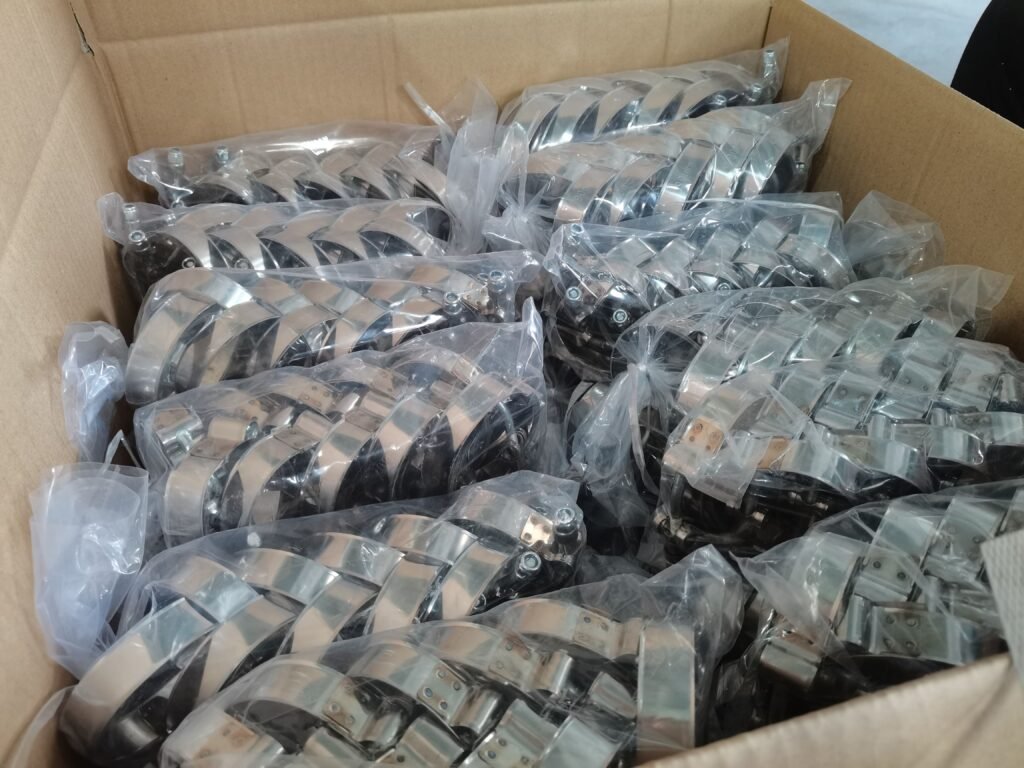
- מהדקים בריח T: מהדקים כבדים המספקים לחץ אחיד סביב הצינור. הבחירה הטובה ביותר עבור קווים הידראוליים בלחץ גבוה.
- מלחציים קפיציים: נועד לשמור על מתח כאשר צינורות מתרחבים ומתכווצים עם תנודות הטמפרטורה.
- מהדקים אוזניים כפולות: מכווץ לצמיתות למקומו. הם מספקים התאמה מאובטחת אך דורשים כלים מיוחדים להתקנה.
- מהדקים הידראוליים: תוכנן במיוחד כדי לעמוד בפני רטט ולחץ קיצוני, הם משמשים בדרך כלל בציוד תעשייתי ונייד.
חומרים מהדק צינור:
- נירוסטה: עמיד בפני קורוזיה ועמיד, מה שהופך אותו לבחירה מובילה עבור סביבות קשות.
- פלדה מגולוונת: משתלם יותר, אבל פחות עמיד בפני קורוזיה. מתאים לשימוש פנימי או קל.
- חומרים מפלסטיק או מרוכבים: משמש בעיקר לאגד או לארגן צינורות, במקום לאטום אותם בלחץ.
בחירת המהדק המתאים דורשת התחשבות לא רק בגודל הצינור ובדירוג הלחץ, אלא גם סביבת האפליקציה. לְדוּגמָה, מלחצי נירוסטה ביישומים כרייה או ימיים צריכים להיות עמידים בפני חלודה והשפלה.
סיבות נפוצות לכשל בצינור הידראולי
הסיבות השכיחות ביותר כוללות:
- שְׁחִיקָה: הצינור מתבלה בשכבה החיצונית עקב חיכוך ממושך עם קצוות מתכת, הקרקע, או צינורות אחרים.
- התקנת מהדק צינור שגוי: מהדקי צינור שהותקנו בצורה לא נכונה עלולים לגרום ללחץ לא אחיד, דליפות, או ליפול.
- מומנט לא תקין: הידוק יתר עלול לגרום נזק לצינור, בעוד הידוק לא יכול לגרום לדליפות.
- הזדקנות ועייפות: גומי מתקשה ונסדק לאורך זמן, במיוחד כאשר נחשפים לקרני UV או לטמפרטורות קיצוניות.
- טֶמפֶּרָטוּרָה: טמפרטורות גבוהות ממושכות גורמות לגומי להזדקן, לְהַקְשִׁיחַ, ולפצח. צינורות בטמפרטורות נמוכות מאבדים את הגמישות שלהם ורגישים לסדקים.
ניתן למנוע בעיות רבות על ידי אבטחה נכונה של הצינור והפחתת הרטט. יש צורך גם בבדיקה שוטפת.
כיצד לבחור את מהדק הצינור ההידראולי הנכון?
בחירת מהדק הצינור המתאים ליישום שלך היא קריטית. שקול את גורמי המפתח הבאים.
- התאמת קוטר צינור: כדאי לבחור מהדק שהקוטר הפנימי שלו מתאים לקוטר החיצוני של הצינור. אם המהדק הדוק מדי, זה ידחוס את הצינור ויגרום לו נזק. אם המהדק רופף מדי, זה עלול להחליק תחת רטט.
- בחירת חומרים: בחר מהדק צינור בהתבסס על סביבת היישום שלך. מלחצי נירוסטה או פלדה מומלצים למערכות הידראוליות בלחץ גבוה. הם עמידים בלחץ, עמיד בפני קורוזיה, ועמיד בטמפרטורה גבוהה. אנא צור איתנו קשר כדי לדון ביישום הספציפי שלך, ונמליץ על חומר מתאים.
- דירוג לחץ: לכל צינור ומהדק יש דירוג לחץ שונה. עליך לבחור מהדק צינור שיכול לעמוד בלחץ המרבי של הקו ההידראולי.
- עמידות בחום וכימיקלים: עליך לאשר שחומר המהדק יכול לעמוד בטמפרטורת הפעולה ועמיד בפני נוזלים הידראוליים או כימיקלים כדי לבחור את חומר מהדק הצינור המתאים ליישום שלך.
לאחר בחינת גורמים אלו, אתה צריך גם לבחור ידוע, מְכוּבָּד, ויצרן מהדק צינור אמין. עִם 23 ניסיון של שנים, אתה יכול להיות בטוח בבחירתנו. אנו מציעים מחירים תחרותיים ואיכות מעולה.
כיצד להשתמש במהדי צינור בצורה הטובה ביותר
כדי לקבל את התוצאות הטובות ביותר מהדקי צינורות ולשפר את אמינות המערכת ההידראולית, הנה כמה עצות:
- מקם באופן שווה את המהדקים על הצינור והאביזר כדי למנוע חפיפה.
- השתמש במפרטי המומנט הנכונים, נמדד עם כלי מכויל.
- הימנע מהידוק יתר, מה שעלול לגרום נזק לצינור.
- השתמש בשני מהדקים בחיבורים קריטיים או בלחץ גבוה לבטיחות נוספת.
- בדוק את המהדקים והצינורות באופן קבוע לאיתור סימני בלאי או דליפות.
כיצד להתקין כראוי מהדק צינור כדי למנוע דליפות צינור הידראולי
- בחר את סוג המהדק המתאים בהתבסס על הלחץ וקוטר הצינור.
- בדוק את קצה הצינור כדי לוודא שהוא נקי וללא סדקים או בלאי.
- הנח את המהדק כרבע אינץ' מקצה הצינור, להבטיח שהוא ממוקם באופן שווה.
- הדק בהדרגה את המהדק, בודקים שהוא אינו מעוות או חופף.
- השתמש בכלי הנכון כדי להדק את המהדק לערך המומלץ.
- בדוק את היישור כדי לשמור על הצינור ישר.
מַסְקָנָה
שימוש נכון במהדק צינור הוא יותר מסתם תחזוקה; זו דרישת בטיחות. על ידי בחירת סוג המהדק הנכון ובדיקתו באופן קבוע, אתה יכול למנוע דליפות, להפחית את זמן ההשבתה, ולהגן על עובדים וציוד.