Avez-vous déjà conduit sous la pluie et constaté que votre pare-brise fuyait? C'est un problème courant qui peut entraîner des réparations et des problèmes de sécurité coûteux. La plupart des gens ne réalisent pas à quel point le joint en caoutchouc autour du pare-brise est important.. Il empêche l'eau, saleté, et l'air d'entrer. Cet article, this guide will help you understand everything about windshield rubber seals, from materials and types to installation, entretien, and common problems.
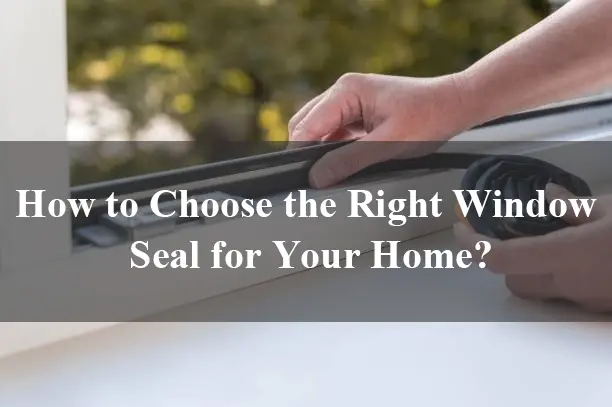
The rubber seal around the windshield, commonly known as a car weatherstrip, is a flexible strip that runs around the windshield, blocking water, poussière, et de l'air, and securing the glass. It is crucial for ensuring a watertight seal that keeps the vehicle dry and safe. Most seals are made of EPDM or silicone rubber. A good seal provides greater comfort inside the vehicle, protects the windshield, and enhances vehicle safety.
Let’s learn all about windshield rubber seals, from materials and types to how to choose the right seal for your vehicle.
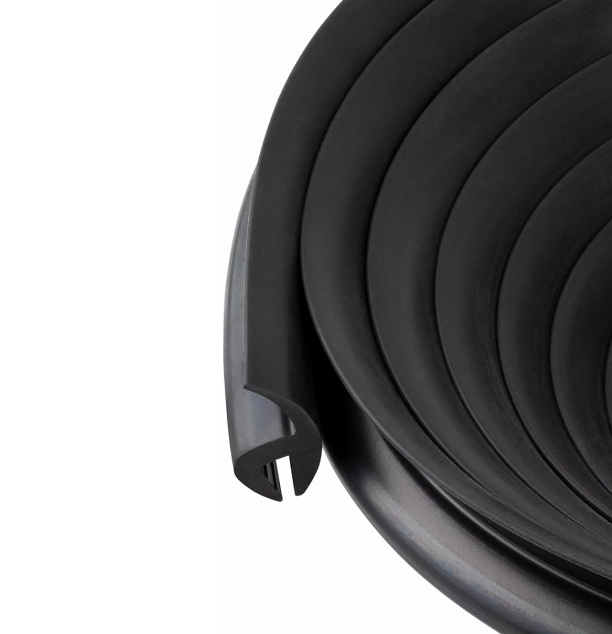
What Is a Car Windshield Rubber Seal?
A windshield rubber seal, also known as a weatherstrip, connects the windshield to the car body. It blocks rain, vent, et la poussière, while also holding the windshield in the correct position. It also cushions the glass, reducing vibration and noise while driving.
What Does a Windshield Rubber Seal Do?
Windshield seals perform many important functions:
- Prevents water entry: They prevent rain and dust from entering your car.
- Reduces noise: They block wind and road noise, making the interior quieter.
- Shock absorption: They protect the windshield from vibrations and minor impacts.
- Supports the body: They help keep the vehicle sturdy during minor bumps or accidents.
- Esthétique: They give the windshield edges a neat and clean appearance.
Types of Windshield Rubber Seals
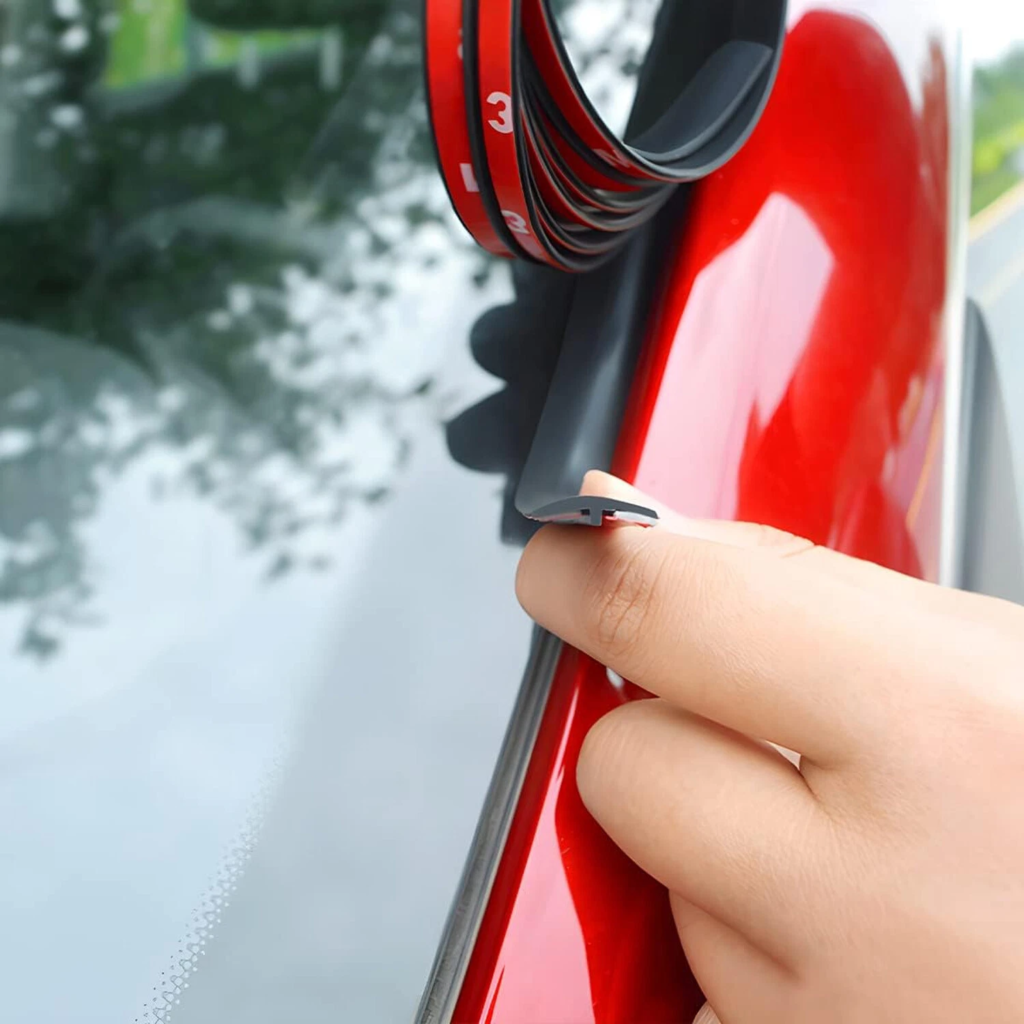
Car windshield rubber seals come in many types, suitable for different vehicles or situations. Understanding these types can help you choose the right one for your car.
One-Piece Rubber Seal
This type has a simple structure, consisting of a single piece that surrounds the windshield. It’s easy to install and effective for most standard cars.
Locking Strip Rubber Seal
The locking strip seal has a small metal or hard strip inside. This strip helps to securely hold the windshield in place. It’s very strong and prevents the glass from moving.
U-Shape Rubber Seal
The U-shaped seal looks like the letter “U” and fits snugly around the edge of the windshield. It provides a tight fit, helping to prevent water or wind from entering.
Encapsulated Windshield Seal
This is a more advanced type. It features a rubber seal around the glass, with molding on the outside of the seal. It’s commonly used in newer cars and provides the best protection against leaks and wind noise.
Front vs. Rear Windshield Seals
Sometimes the front and rear windshields require different seals. The front seal usually needs to withstand more wind pressure, while the rear seal may focus more on waterproofing.
What materials are used for windshield seals?
Windshield seals come in different materials suitable for different vehicles. Les matériaux les plus courants comprennent:
Caoutchouc EPDM
- The most widely used windshield sealing material.
- Excellent resistance to UV rays, ozone, et des températures extrêmes.
- Soft and durable, maintaining a seal for a long time.
PVC
- Often used in combination with foam or metal reinforcement materials.
- Economical and weather-resistant.
- It is less flexible than EPDM, so it is sometimes used for trim sections rather than full seals.
TPV
- Combines the characteristics of rubber and plastic.
- Resistant to aging, produits chimiques, Et les intempéries.
- Easier to manufacture into complex shapes.
Caoutchouc en silicone
- Résistance à haute température, often used in high-performance vehicles.
- Very flexible and durable, but more expensive.
Caoutchouc nitrile
- Less common, mainly used for seals exposed to oil or chemicals.
Many windshield seals also contain a foam core or metal reinforcement material, which helps maintain shape, provides a tighter fit, and reduces vibration and noise.
Comment choisir le bon joint en caoutchouc pour pare-brise?
If you want to protect your car from water, vent, et le bruit, choosing the right windshield rubber seal is crucial.
- Check your vehicle first: Every car is different. You need a seal that matches your vehicle’s make and model. Some are snap-in, some are glued on, and some fit into a groove.
- Consider the material: Rubber seals come in many materials, comme EPDM, PVC, TPE, and natural rubber. EPDM and TPE are generally the best because they last longer, are resistant to sunlight, and are less prone to cracking. PVC and natural rubber are more susceptible to wear and tear in hot or cold weather.
- Check the size and shape: Ensure the seal’s width, épaisseur, and shape are suitable for your vehicle. Some are U-shaped, en forme de P, or H-shaped. A proper fit prevents water leakage and reduces wind noise while driving.
- Check weather resistance: A good seal should withstand high temperatures, froid, pluie, and sunlight. Check if the seal has been tested for aging, Résistance aux UV, and temperature variations.
- Original equipment or custom-made: Original equipment seals are manufactured by the car company, so the quality is usually more consistent. Custom or aftermarket seals can perfectly fit your vehicle and offer more options in size and shape. If you’re buying in bulk, it’s recommended to try a sample first to ensure a proper fit.
By considering these factors, you can choose a windshield rubber seal that fits well, is durable, and keeps your vehicle safe and quiet while driving. If you are unsure how to choose, Veuillez nous contacter. We are a professional seal manufacturing factory.
Pourquoi remplacer le joint en caoutchouc de pare-brise?
Les joints en caoutchouc de pare-brise sont conçus pour garder l'eau, saleté, Et éloignez-vous de votre véhicule. Au fil du temps, Ces sceaux peuvent s'use, fissure, ou déchirer, causer des problèmes tels que:
Fuites d'eau: Si le sceau est endommagé, L'eau peut entrer dans votre voiture, causant des dommages intérieurs et créant un terrain reproducteur pour la moisissure.
Plus de bruit: Si le sceau est porté, Le bruit du vent peut entrer dans votre voiture, Rendre votre drive moins agréable.
Moins sûr: Le sceau aide à maintenir le pare-brise en place, Donc, si le sceau est endommagé, il peut affecter l'intégrité du pare-brise dans un accident.
Comment remplacer la bande de joint en caoutchouc de pare-brise?
- Retirez l'ancien sceau
Vérifiez le sceau: Recherchez toute usure, comme les fissures ou les larmes.
Enlever le sceau: Utilisez un tournevis à tête plate pour retirer soigneusement l'ancien joint du pare-brise. Commencez dans un coin et travaillez, faire attention à ne pas endommager le verre ou les environs. - Nettoyer la surface
Supprimer tout résidu: Utilisez un couteau utilitaire pour gratter tout adhésif ou débris restant du pare-brise et du cadre.
Essuyez-le: Nettoyez soigneusement la zone avec de l'alcool à friction ou un nettoyeur approprié pour s'assurer que le nouveau sceau adhère correctement. - Préparez le nouveau sceau
Mesurer et couper: Si nécessaire, Mesurez le nouveau sceau contre le pare-brise et coupez-le sur la bonne longueur. Assurez-vous que les bouts se rencontrent parfaitement. - Installez le nouveau sceau
Aligner: Commencez dans un coin et alignez le nouveau sceau le long du bord du pare-brise.
Appuyez-le pour appuyer doucement sur le joint en place, s'assurer qu'il s'adapte parfaitement contre le pare-brise et le cadre. Si l'adhésif est nécessaire, Appliquez-le uniformément en fonction des instructions du fabricant. - Vérifiez l'ajustement
Inspectez votre travail: Promenez-vous dans la voiture et assurez-vous que le sceau est uniformément placé sans lacunes ni chevauchements.
Faire des ajustements: Si vous remarquez un désalignement, Ajustez doucement le joint pendant que l'adhésif est toujours réalisable. - Étapes finales
Laissez-le guérir: Permettre à l'adhésif de guérir comme recommandé par le fabricant. Cela prend généralement quelques heures.
Vérifiez les fuites: Une fois l'installation terminée, C'est une bonne idée de tester les fuites en pulvérisant de l'eau sur le pare-brise et en vérifiant tous les signes d'eau à l'intérieur du véhicule.
If you need to replace your windshield rubber seal, you can follow our step-by-step replacement guide here.
Conseils d'entretien pour la bande de joint en caoutchouc
Gardez votre bande de joint en caoutchouc de pare-brise en bonne forme avec ces conseils:
- Vérifiez-le: Recherchez des fissures ou de l'usure lorsque vous effectuez un entretien régulier de la voiture.
- Nettoyez-le bien: Utilisez un chiffon doux et un savon doux pour nettoyer le sceau. N'utilisez pas de nettoyeurs forts qui peuvent blesser le caoutchouc.
- Gardez-le frais: Mettez un conditionneur en caoutchouc dessus pour le garder flexible et arrêter les fissures.
Problèmes communs avec les joints en caoutchouc de pare-brise
Même avec un entretien régulier, Les choses peuvent mal tourner. Voici quelques problèmes communs:
Fissures et larmes: Au fil du temps, Le caoutchouc peut se décomposer de l'exposition au soleil et aux éléments.
Fuites: Un sceau usé peut laisser l'eau, causant des dommages à l'intérieur et conduisant à la moisissure.
Ébauches aériennes: Les lacunes dans le sceau peuvent laisser entrer l'air, rendre votre véhicule inconfortable et moins économe en carburant.
FAQ
What material is best for windshield rubber seals?
EPDM rubber is usually the best choice. It has a long lifespan, maintains flexibility in both hot and cold weather, and resists UV rays and ozone. Silicone is also a good option if heat or cold resistance is required.
How long can a windshield rubber seal last?
With proper maintenance, a good EPDM seal can last 5 à 10 années. Extreme weather or improper installation can cause it to wear out faster.
Can windshield rubber seals be customized?
Oui! We can customize seals according to your design, taille, or specific requirements. Tell us what you need.
How should I store windshield rubber seals?
Store them in a cool, dry place away from sunlight and chemicals. Avoid excessive bending or stretching to maintain their shape.
Conclusion
Le maintien du joint en caoutchouc de pare-brise de votre voiture est important pour la sécurité et le confort. Les inspections régulières et les remplacements en temps opportun peuvent éviter les réparations coûteuses et améliorer votre conduite.
We are a professional manufacturer of windshield rubber seals, with many years of production experience and guaranteed quality. Are you looking for a reliable windshield rubber seal manufacturer? Contact us today for free samples and a quick quote.