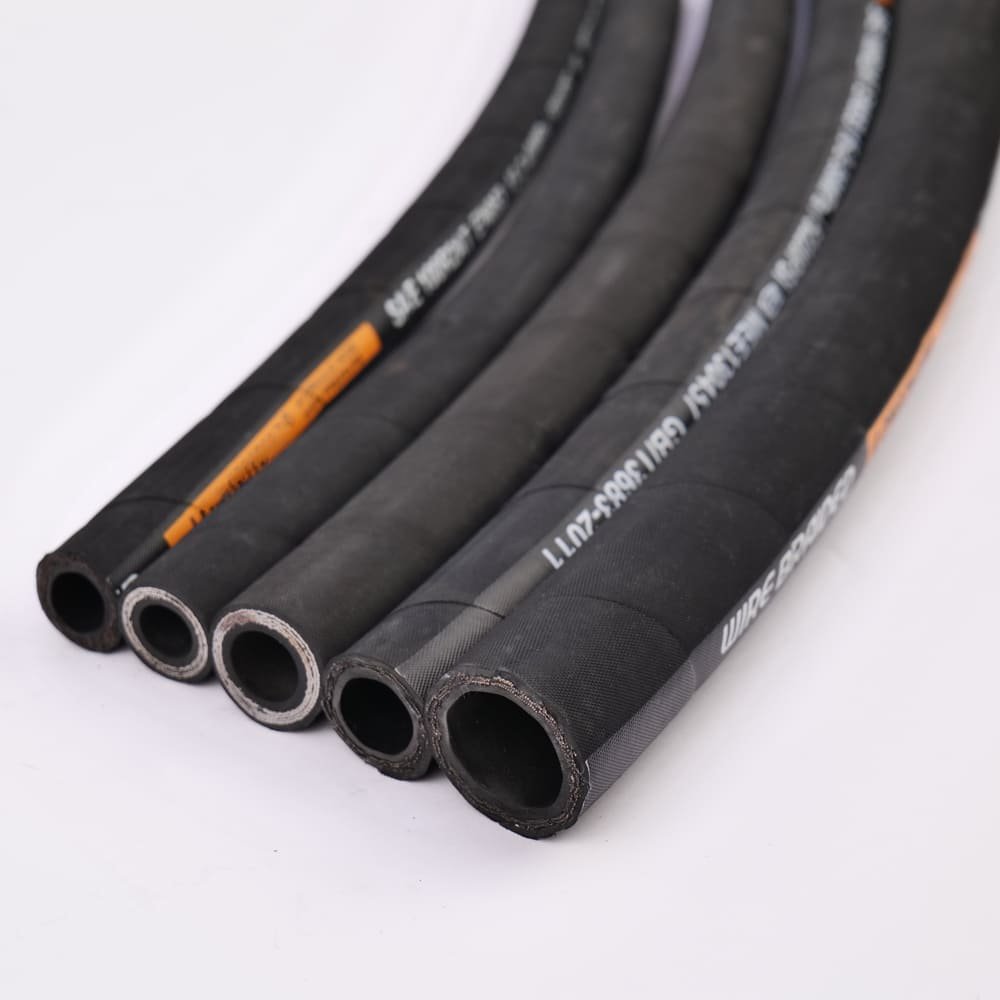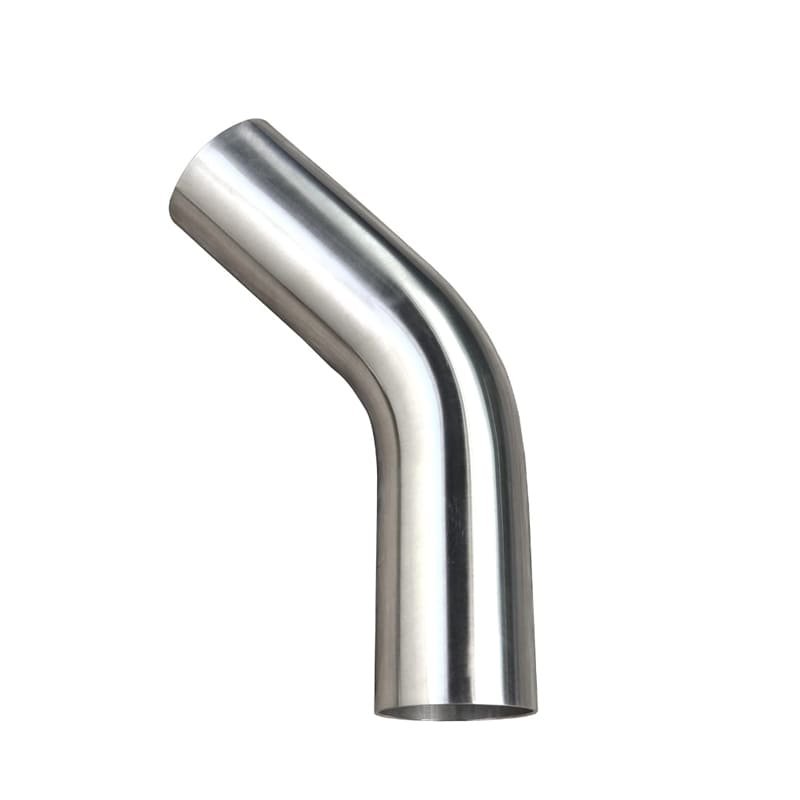
Choosing the right material for your radiator hoses can be a big decision when it comes to durability, suorituskyky, and cost-effectiveness. There are a few options out there, like silicone, EPDM kumi, ja ruostumatonta terästä. It’s important to understand the pros and cons of each material for your specific application. Here’s what you need to know.
Silikoniletku are the best for radiators and coolant systems because they can handle the highest temperatures (jopa 350°F/177°C) without degrading. Silicone hoses are also extremely flexible and durable. That’s why they are the best choice for high-performance engines. EPDM rubber hoses are less expensive and offer good resistance to heat, otsoni, ja ikääntyminen. They are a good choice for the average vehicle. Stainless steel hoses are used in high-performance and harsh conditions, mutta ne eivät ole yhtä yleisiä.
Nyt kun tiedämme, mitkä letkumateriaalit ovat, käydään läpi jokainen, puhua eduista ja haitoista, ja milloin niitä tulee käyttää jäähdyttimen letkusovelluksessa.
Mikä on parempi: Kumi- tai silikoniletkut?
Kun on kysymys materiaalin valinnasta jäähdyttimen letkuille, silikoniletkut ovat yleensä parempia korkean suorituskyvyn ajoneuvoihin. Tämä johtuu pääasiassa siitä, että ne kestävät äärimmäisiä lämpötiloja, jopa 350°F (177° C), ja ne ovat joustavampia. Kumiseulat, toisaalta, ovat halvempia ja usein hyviä tavallisille ajoneuvoille. Niillä on hyvä lämmönkestävyys ja kestävyys, mutta ne eivät välttämättä kestä yhtä kauan kuin silikoniletkut äärimmäisissä olosuhteissa.
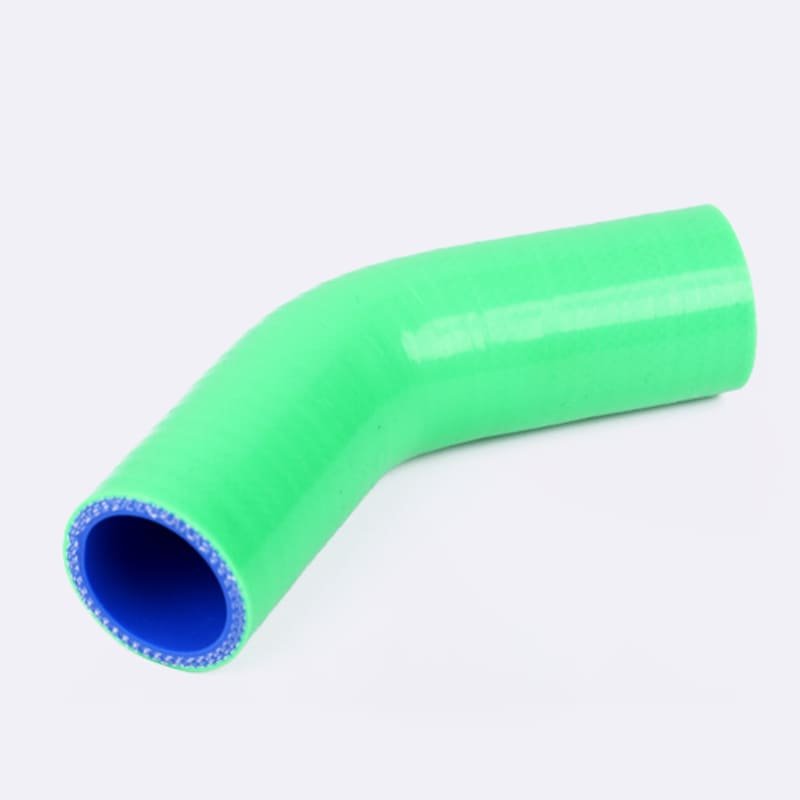
Silikoniletkut sopivat erinomaisesti kilpa-autoihin, korkean suorituskyvyn moottoreita, ja ajoneuvoja ankarissa ilmastoissa. EPDM-kumiletkut ovat hyviä jokapäiväisiin ajoneuvoihin, tarjoaa pitkän käyttöiän halvemmalla. Se riippuu todella tilanteestasi. If you want something that lasts and can handle heat, silicone is the way to go. If you want something less expensive, rubber hoses are a good option.
What is the Best Type of Coolant Hose?
There are many types of coolant hoses to choose from, each with its own specific use. Silicone hoses are known for their great heat resistance, high performance, ja pitkä elämä. They’re perfect for high-performance engines and vehicles that experience extreme conditions.
EPDM-kumiletkut are the most common type of coolant hose. They are durable, kustannustehokas, and resist aging, otsoni, ja sää. They are used in all standard vehicles and can handle temperatures up to 250°F (121° C), which is more than sufficient for all but the highest-performance vehicles.
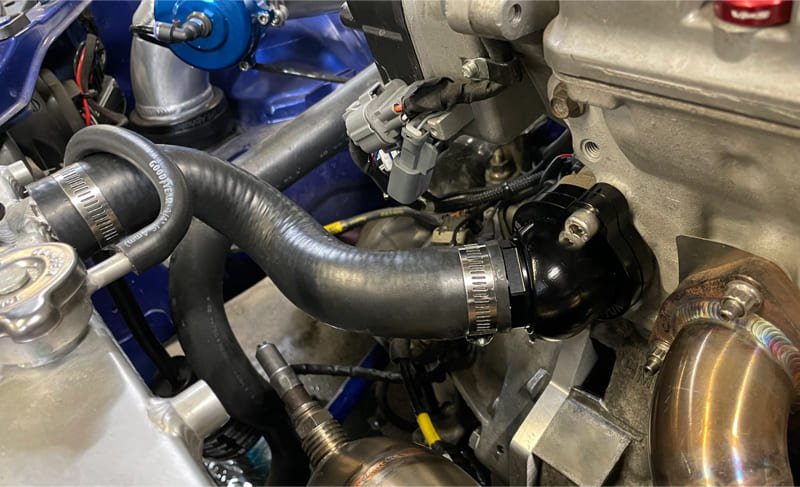
For those who want to spend a little bit more money, stainless steel hoses offer more durability and performance, especially in high-performance vehicles. But they’re more expensive and not something you’d put on a normal car.
Are Stainless Steel Radiator Hoses Any Good?
Silicone hoses are great because they can handle a lot of heat and last a long time, but they have a few downsides. Silicone doesn’t like certain chemicals, like fuels, öljyt, ja liuottimet, and it will break down. Silicone hoses can also be harder to seal, and they can let water vapor through, which can cause issues with moisture in the system.
The other thing about silicone hoses is they are expensive. They cost more than rubber hoses, so if you’re a manufacturer or a customer who is watching your budget, you might not be as excited about silicone hoses.
Silikoni vs.. Kumipatteriletkut: Kumpi sinun pitäisi valita?
Kun on valittava silikoni- ja kumiset jäähdyttimen letkut, it all boils down to performance and cost. Silicone hoses are great for high-performance applications where durability, joustavuus, and temperature resistance are critical. They’re perfect for race cars, modified engines, and vehicles that operate in extreme conditions.
Kumiseulat, toisaalta, are often the best choice for regular vehicles. They give you good performance at a lower price point and are suitable for cars that don’t need the extreme temperature and pressure resistance that silicone hoses offer. Rubber hoses are tough and reliable for everyday use, making them a great value for both manufacturers and customers.
How to Choose the Best Aftermarket Radiator Hoses?
When you’re shopping for aftermarket radiator hoses, there are a few things to keep in mind. You want to look at temperature resistance, joustavuus, and material durability. If you’re looking for high performance and longevity, silicone hoses are a great option. If you need reliable hoses at a more affordable price, rubber hoses are a great option.
When manufacturers are putting together aftermarket radiator hose kits, they also have to consider how the material is going to work with the other components in the cooling system. They need to make sure that the hoses they include can handle the pressure and temperature of the engine without causing any issues with the performance of the engine.
Do Stainless Steel Radiator Hose Kits Improve Performance?
Stainless steel radiator hose kits are popular in performance applications because they’re tough and can handle high pressure and temperature. They’re great for keeping heat in the cooling system and help reduce the chance of leaks. Kuitenkin, they’re more expensive and not as flexible as rubber or silicone hoses, so they can be a little harder to work with when installing.
If you’re working with a high-performance vehicle or a racing application, stainless steel kits may give you a little bit of an edge. For most standard applications, silicone or rubber hoses are more than enough.
Are Silicone Radiator Hose Clamps Necessary?
Silicone radiator hose clamps are often suggested for use with silicone hoses to make sure you have a good, tight connection that doesn’t leak. Silicone hoses tend to slip more than rubber ones, so the right clamp can help hold the hose in place.
Se sanoi, you can also use regular clamps with silicone hoses, as long as they’re sized and installed correctly. Silicone hose clamps are a higher level of security and are typically used in performance vehicles to make sure the hose stays put under extreme conditions.
Yhteenveto
When it comes to choosing the right material for radiator hoses, it all depends on your vehicle’s performance needs and your budget. Whether it’s high-performance silicone hoses, cost-effective EPDM rubber, or durable stainless steel, understanding the strengths of each material will help you make the best choice for reliability and longevity.